
Introduction
When it comes to tiny home living, I’ve discovered that the outdoor spaces are just as important as the interiors. In fact, I’d argue they’re even more crucial—they extend your living area and connect you with nature in ways that can make a compact home feel infinitely more spacious. Over my years of designing and consulting on **luxury tiny home outdoor spaces**, I’ve seen how thoughtfully crafted exteriors transform the entire tiny living experience.
The beauty of luxury in small spaces isn’t about excess—it’s about intentionality. Every element serves both form and function, creating areas that feel indulgent while remaining practical. I’ve curated this collection of 10 extraordinary **luxury tiny home outdoor spaces** that prove you don’t need a mansion to live lavishly outdoors. From rooftop retreats to intimate fire pit gatherings, these designs will inspire you to reimagine what’s possible in your own tiny home paradise.
1. Rooftop Gardens
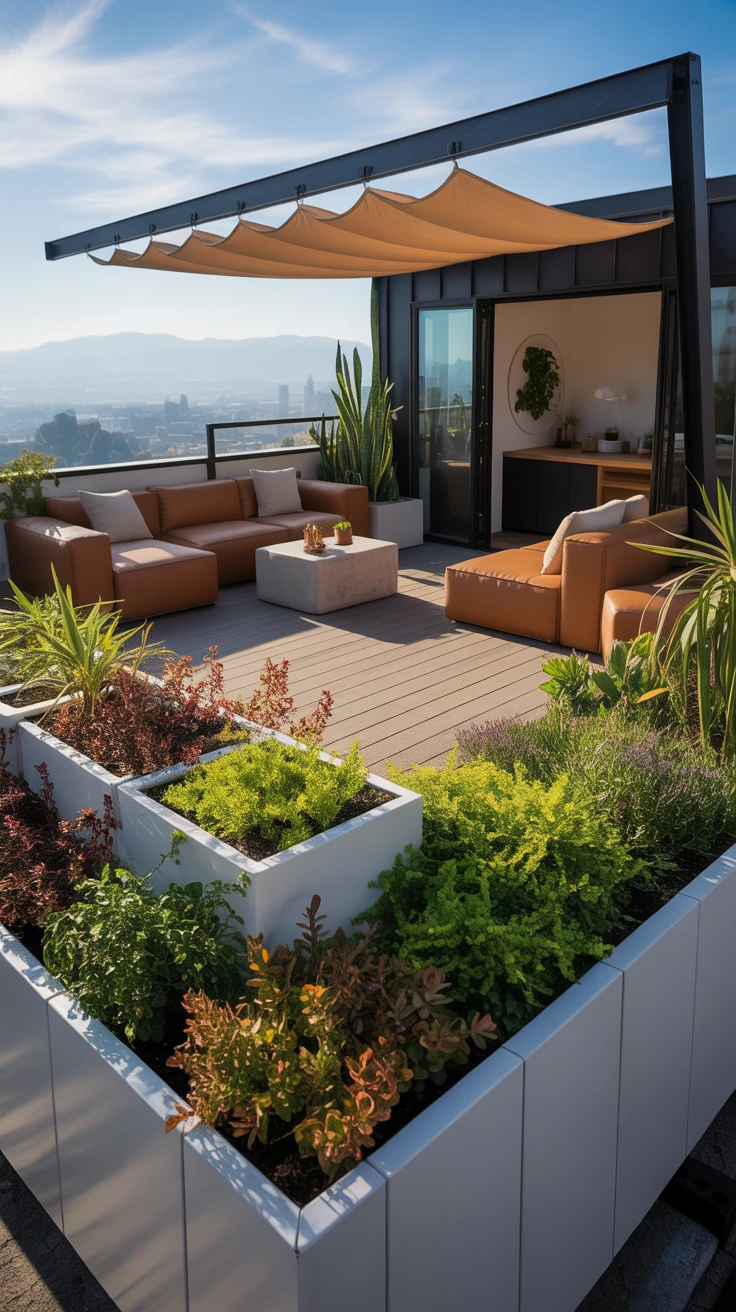
Rooftop gardens represent the ultimate space-maximizing solution for tiny home dwellers. I remember working with a client in Portland who was hesitant about investing in her roof space—until she saw how it doubled her usable square footage while providing stunning mountain views.
The most successful rooftop gardens I’ve designed incorporate:
- Lightweight planters strategically placed over load-bearing walls
- Modular furniture that can be reconfigured for entertaining or relaxing
- Weather-resistant flooring like composite decking or rubber pavers
- Retractable shade solutions for temperature control
Pro Tip: I always recommend drought-resistant native plants for rooftop gardens. They’ll thrive with minimal maintenance, conserve water, and won’t require a complex irrigation system that could potentially damage your roof structure.
2. Elegant Outdoor Kitchens
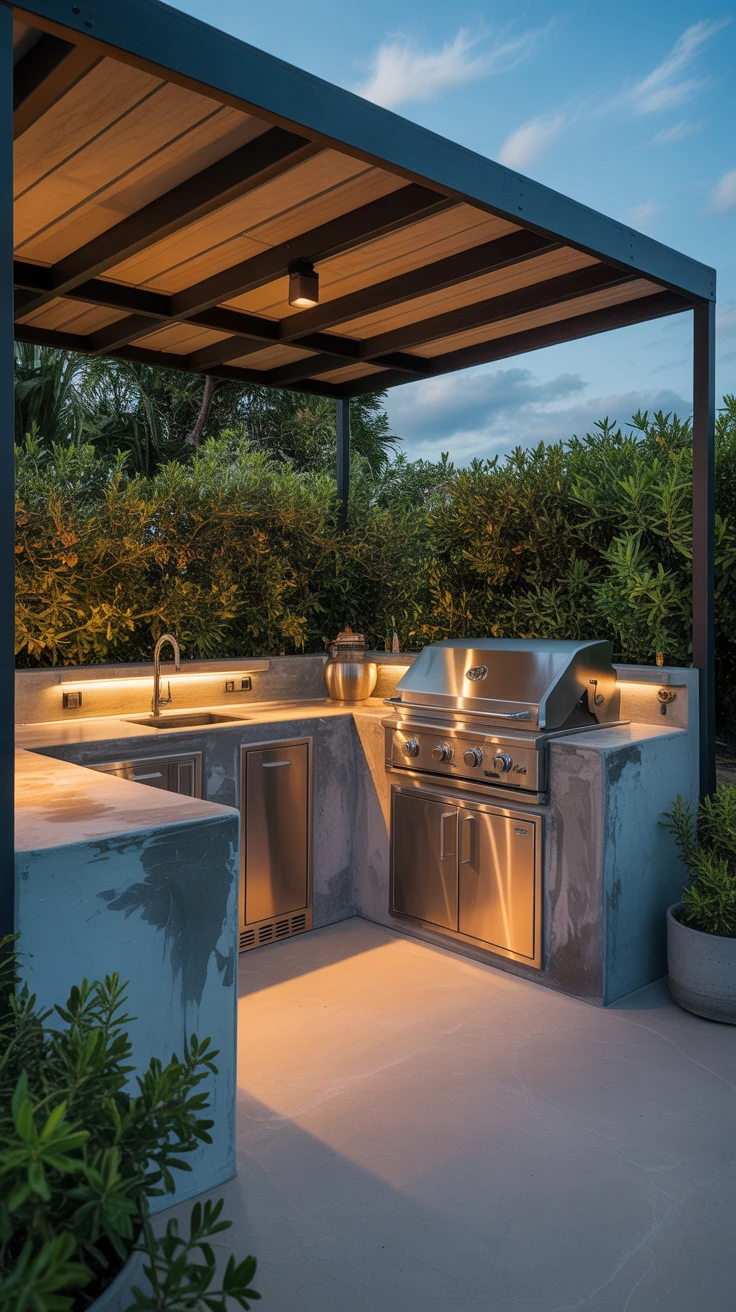
An outdoor kitchen elevates a tiny home’s entertaining capabilities exponentially. The most luxurious versions I’ve helped create feature high-end materials that withstand the elements while maintaining their beauty. One of my favorite projects included a compact L-shaped kitchen with a small built-in grill, refrigerator drawer, and a stunning concrete countertop that developed a beautiful patina over time.
The key elements of a successful tiny home outdoor kitchen include:
- Space-efficient appliances (think under-counter refrigerators and slim grills)
- Durable, low-maintenance surfaces like marine-grade stainless steel or sealed concrete
- Clever storage solutions integrated into seating or walls
- Proper lighting for evening meal preparation
Pro Tip: Install a retractable awning or pergola with a weatherproof cover. I learned this lesson the hard way after designing a beautiful outdoor kitchen in Seattle that became unusable during the rainy season. Weather protection extends your cooking season and protects your investment.
3. Stylish Deck Spaces

A well-designed deck can serve as the primary outdoor living room for a tiny home. I’ve found that the most successful deck designs embrace the surrounding environment rather than competing with it. For a mountain tiny home I worked on in Colorado, we created a floating deck that seemed to hover among the aspen trees, creating a magical connection to nature.
Luxury deck features worth considering include:
- Multi-level designs that create distinct zones for different activities
- Built-in benches with hidden storage underneath
- Integrated lighting that highlights architectural features
- Premium decking materials like ipe or composite boards that resist fading and wear
Remember that in tiny home design, every inch counts. I often recommend extending decks just slightly beyond what seems necessary—those extra 12-18 inches can make the difference between a space feeling cramped or comfortable.
4. Tranquil Zen Gardens
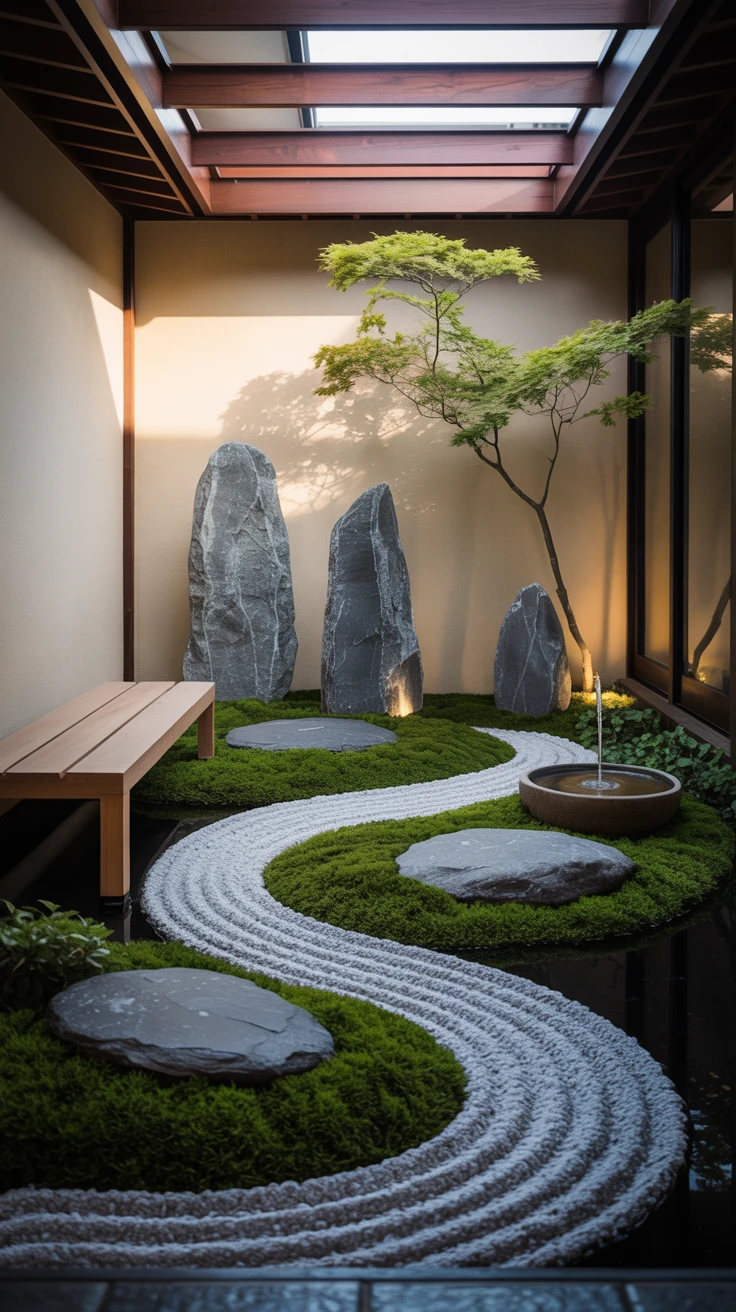
I’ve found Zen gardens to be particularly well-suited to **luxury tiny home outdoor spaces** because they embrace minimalism while creating profound visual impact. The controlled nature of these gardens makes them perfect for tiny plots where space is at a premium.
A client in New Mexico transformed a 10’x12′ side yard into a meditation sanctuary with:
- Carefully raked fine gravel representing water
- Three carefully positioned standing stones as focal points
- A single Japanese maple providing dappled shade
- A simple wooden bench for contemplation
Pro Tip: Incorporate a small water feature like a ceramic basin fountain. The gentle sound of moving water masks ambient noise and creates a sense of tranquility that transforms even the tiniest outdoor space into a retreat.
5. Cozy Fire Pit Areas
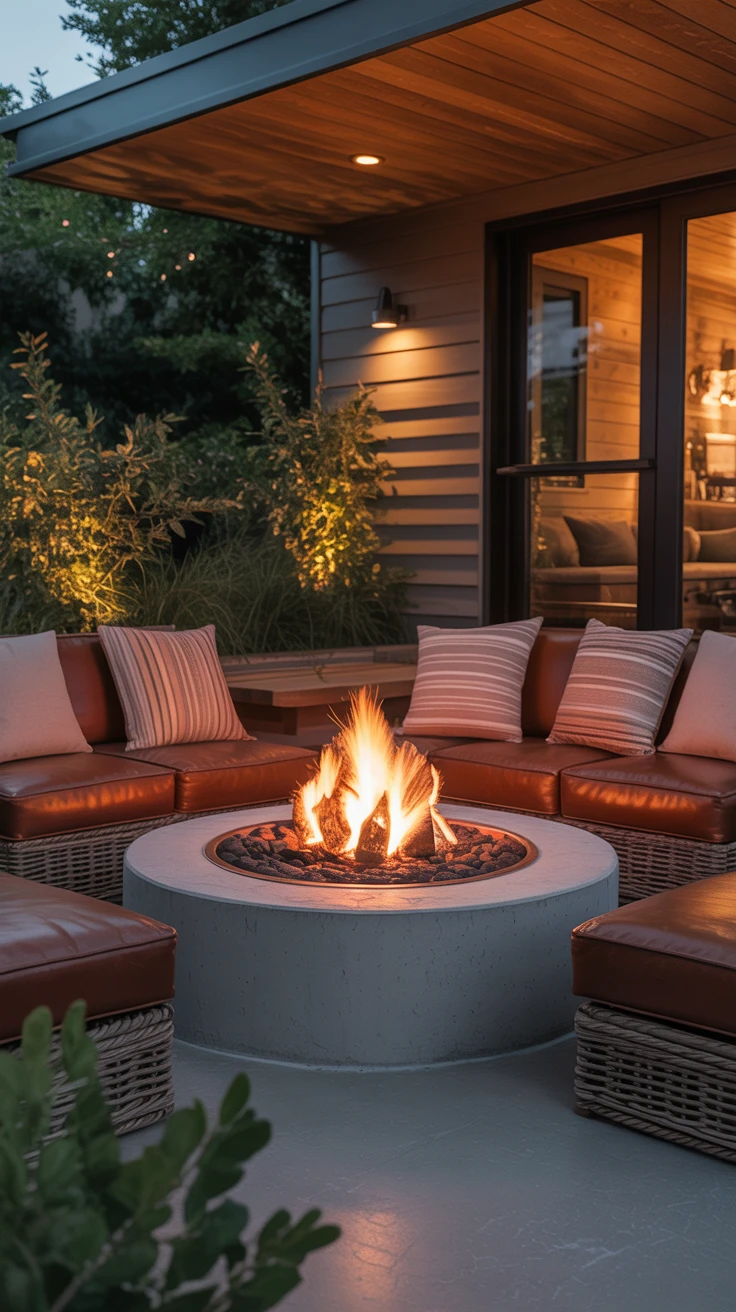
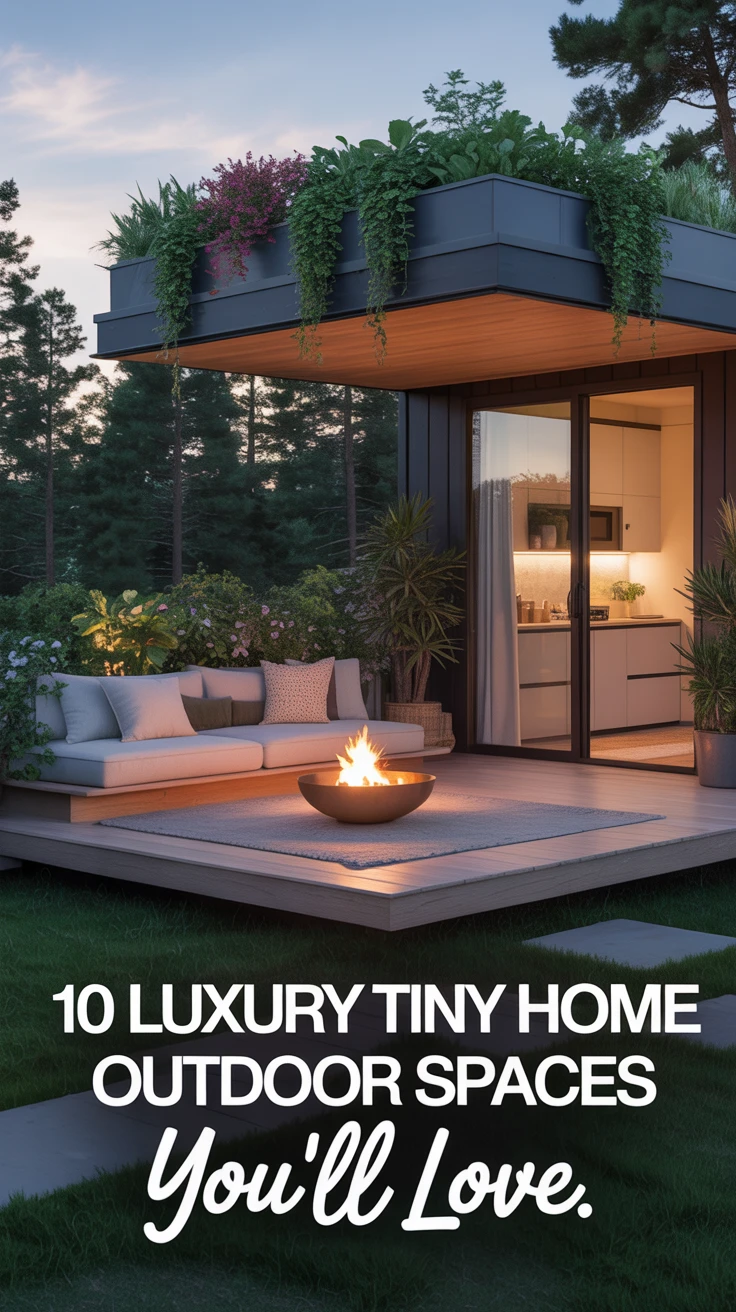
There’s something primal and deeply satisfying about gathering around fire. In my experience designing outdoor spaces, fire features consistently rank as the most used and appreciated elements. For tiny homes, I recommend sunken or built-in fire pits that don’t overwhelm the space visually.
One of my favorite projects featured a circular fire pit with a copper bowl set into a poured concrete surround. The client added custom cushions in weather-resistant fabrics that could be stored in a nearby bench when not in use. The result was a gathering space that comfortably seated six people in a remarkably small footprint.
For safety in confined spaces, I often recommend propane or natural gas fire features over wood-burning options. They provide instant ambiance without smoke, sparks, or the need to store firewood.
6. Lavish Hot Tub Corners
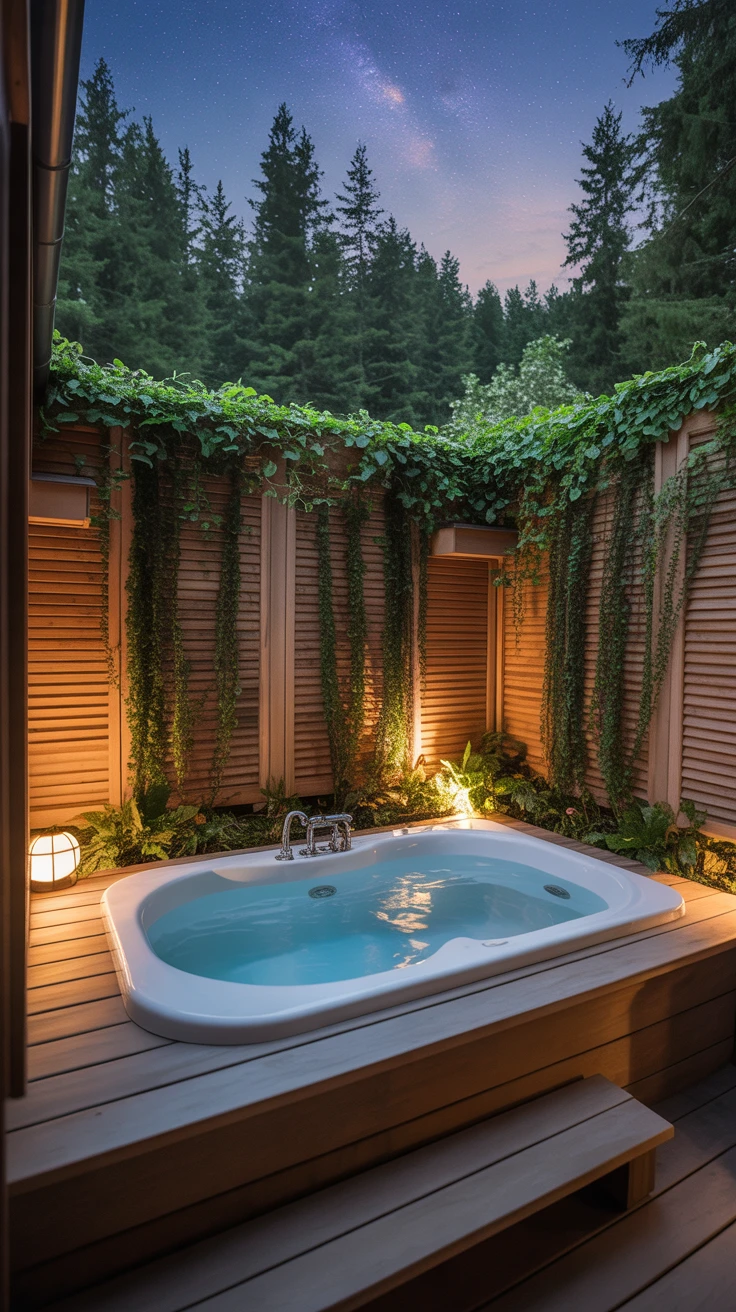
A hot tub might seem like an extravagance for a tiny home, but I’ve found it’s often the luxury element that provides the greatest return on investment in terms of daily enjoyment. The trick is finding the right size and integration approach.
For a tiny home in the Pacific Northwest, we recessed a two-person Japanese soaking tub into a corner of the deck, surrounding it with cedar privacy screens planted with climbing jasmine. The vertical greenery created privacy while the compact tub footprint preserved precious deck space.
Pro Tip: Consider an inflatable hot tub if you’re concerned about weight or want flexibility. Modern options are surprisingly durable and comfortable, and they can be deflated and stored during seasons when you’re not using them regularly.
7. Chic Patio Lounges

A well-designed patio lounge creates an outdoor living room that can dramatically expand your tiny home’s usable space. I focus on creating these areas with the same attention to comfort and style as interior spaces, just with materials selected for outdoor durability.
Key elements for a successful tiny home patio lounge include:
- Multi-functional furniture pieces (ottomans that serve as tables or extra seating)
- Layered lighting (overhead string lights, tabletop lanterns, and pathway lighting)
- Outdoor rugs to define the space and add comfort underfoot
- Weather-resistant textiles in rich colors and patterns
I’ve found that creating a sense of enclosure—whether through plantings, a pergola, or fabric panels—helps a patio lounge feel like a distinct room rather than just furniture placed outside.
8. Stunning Water Features
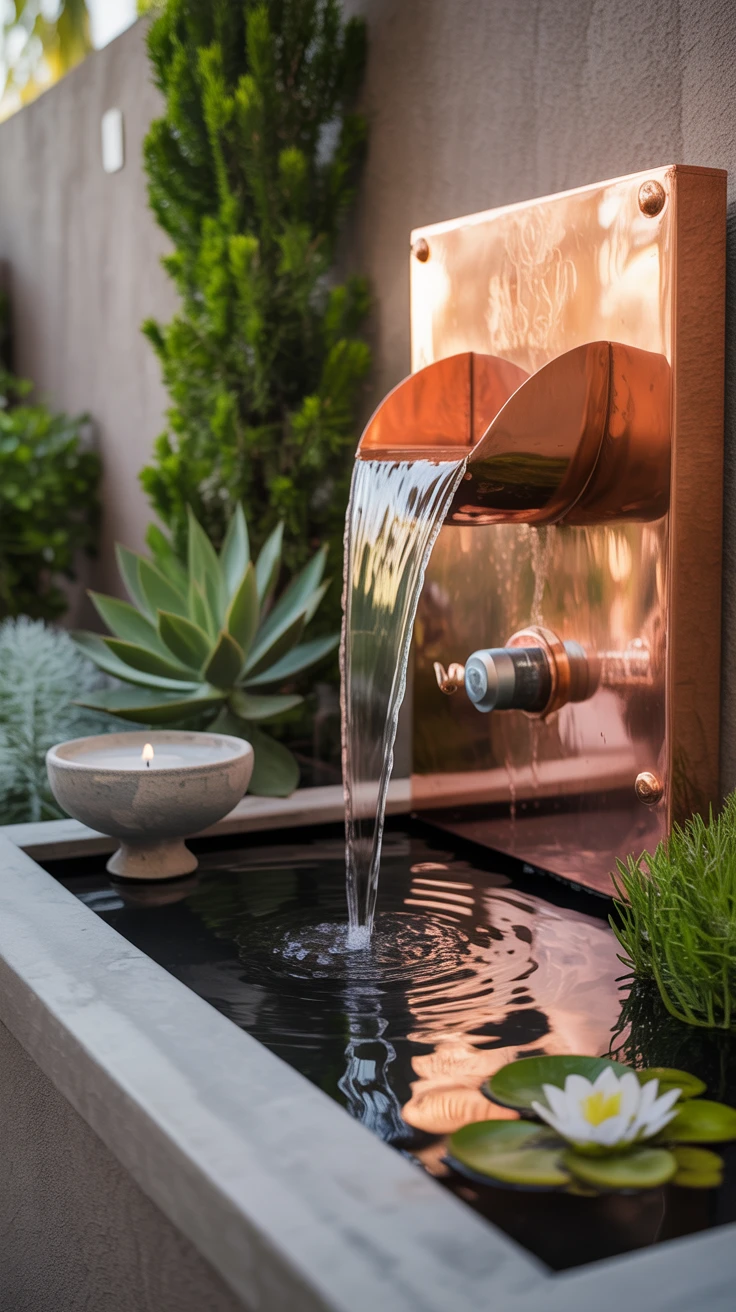
Water features add a sensory dimension to outdoor spaces that few other elements can match. For tiny homes, I recommend wall-mounted or self-contained options that don’t require extensive plumbing or take up valuable floor space.
A copper wall fountain I designed for a desert tiny home created a focal point visible from both inside and outside the home. The sound of water trickling down the patinated metal surface provided a cooling psychological effect in the hot climate, while the actual water usage was minimal thanks to a recirculating pump.
Even something as simple as a ceramic basin with floating candles or water plants can become a meditative focal point in a small outdoor space, proving that luxury isn’t always about scale.
9. Multipurpose Outdoor Studios
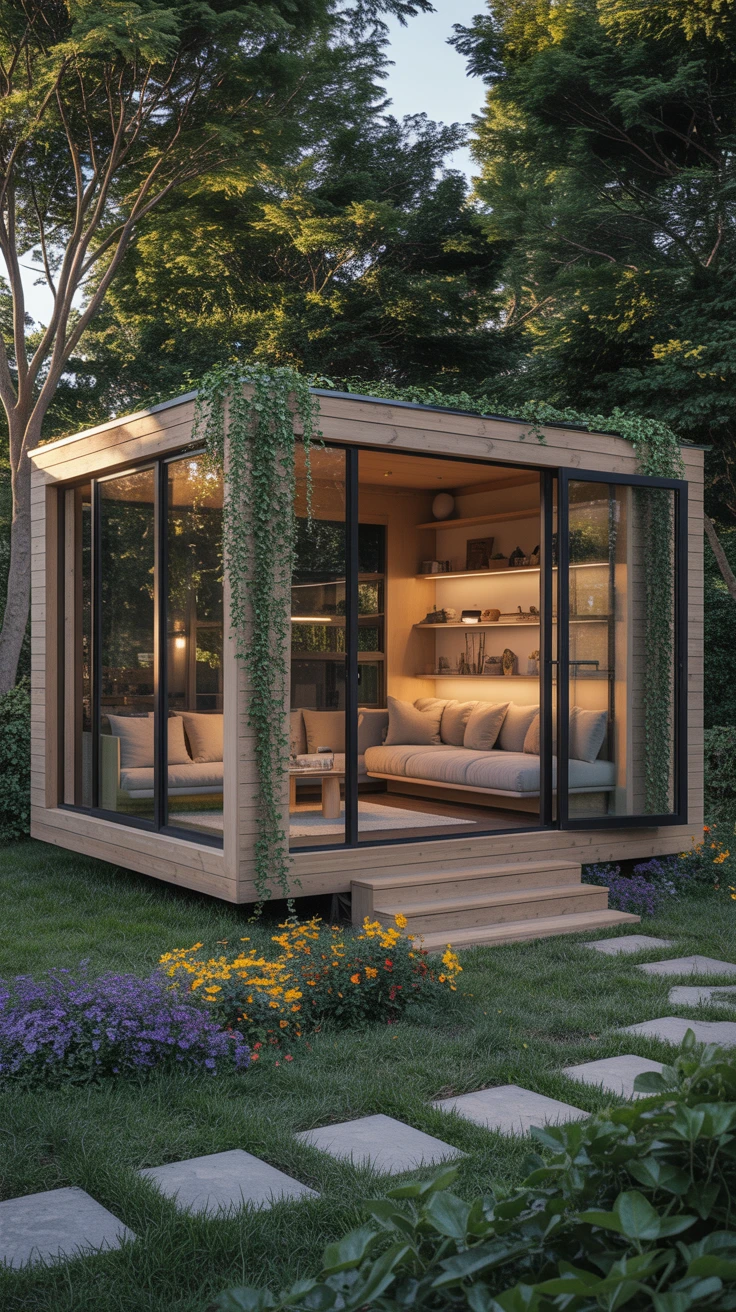
As remote work becomes increasingly common, outdoor studios have emerged as one of the most valuable additions to tiny home properties. I’ve designed everything from glass-walled writing pods to converted garden sheds that serve as yoga studios, offices, or art spaces.
The most successful outdoor studios share these characteristics:
- Strong visual connection to the main home while maintaining separation
- Flexible furniture systems that adapt to different activities
- Abundant natural light balanced with adequate privacy
- Storage solutions integrated into the architecture
Pro Tip: Invest in proper insulation and climate control if you plan to use your outdoor studio year-round. I once skimped on insulation for a client’s art studio, only to find it unusable during winter months. The cost to retrofit was significantly higher than doing it right the first time.
10. Lush Vertical Gardens
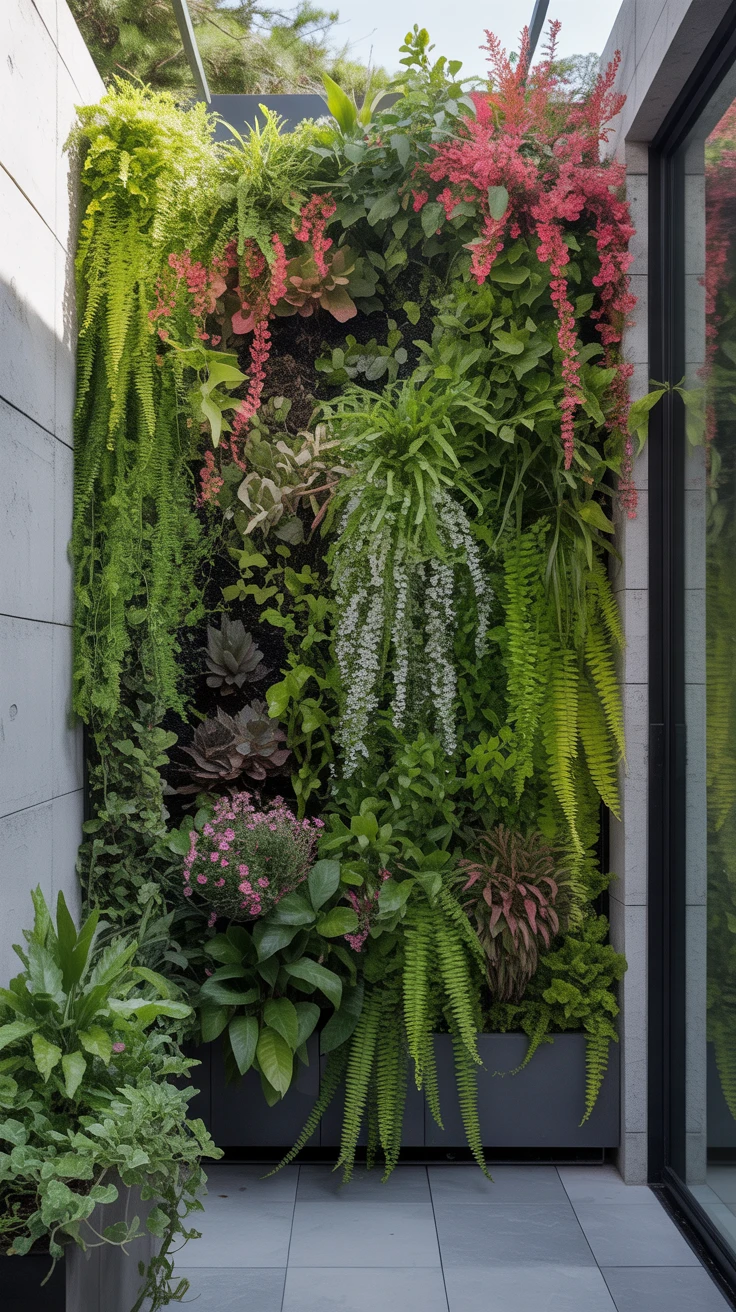
Vertical gardens are perhaps my favorite solution for **luxury tiny home outdoor spaces**. They transform plain walls into living art while improving air quality and providing insulation benefits. I’ve installed systems ranging from simple pocket planters to sophisticated hydroponic walls with integrated irrigation.
For a tiny home in an urban setting, we created a privacy screen using a metal grid system planted with a mix of trailing vines, ferns, and flowering perennials. The vertical garden provided privacy from neighboring buildings while creating a microclimate that made the tiny patio feel like an oasis.
When designing vertical gardens, I consider:
- Plant selection based on light conditions and climate
- Irrigation needs and maintenance requirements
- Structural support and weight considerations
- Seasonal changes and how they’ll affect the overall look
Even a simple trellis with climbing plants can transform a blank wall into a verdant feature that adds luxury to the smallest outdoor space.
Conclusion
After years of designing **luxury tiny home outdoor spaces**, I’ve come to believe that luxury isn’t about excess—it’s about thoughtful design that enhances daily life. Each of these ten approaches demonstrates how even the smallest outdoor areas can become extraordinary with careful planning and attention to detail.
The most successful tiny home outdoor spaces aren’t those with the most expensive materials or elaborate features. Rather, they’re the ones that reflect their owners’ lifestyles and priorities while making the most of available space and natural surroundings.
Whether you incorporate one of these ideas or combine several, remember that creating luxury in small spaces is about quality over quantity. By focusing on craftsmanship, durability, and meaningful design, your tiny home’s outdoor spaces can deliver an experience that feels anything but tiny.