


Introduction
When the holiday season approaches, I often find myself yearning for simplicity amidst the usual Christmas chaos. After years of drowning in tinsel and fighting with tangled lights, I’ve discovered the peaceful joy of minimalist Christmas home decor. This approach isn’t about being a Scrooge—it’s about creating a thoughtful, calm space that still celebrates the season’s magic without the visual overwhelm. In my experience, a minimalist holiday home actually helps me focus on what truly matters during this special time. Let me share 12 ideas that have transformed my holiday decorating approach, creating a serene yet festive atmosphere that my family and guests consistently appreciate.
Embrace Neutral Colors
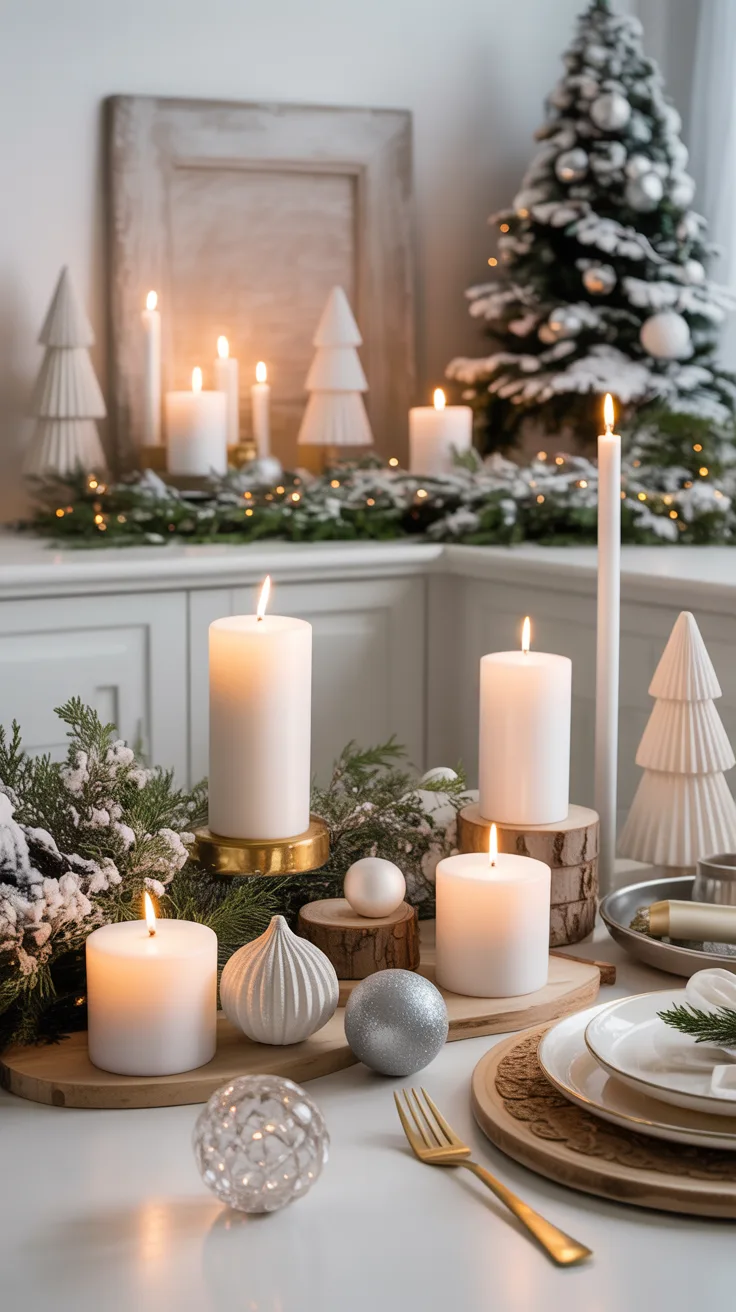
The foundation of minimalist Christmas decor begins with a neutral color palette. I learned this the hard way after years of competing reds and greens that left my home looking like a chaotic holiday store display. Now, I build my holiday aesthetic around whites, creams, soft grays, and natural wood tones. These colors create a peaceful canvas that allows special decorative elements to shine.
- Whites and creams mimic the serenity of fresh snow
- Soft grays add depth without overwhelming the space
- Beige and taupe create warmth without intensity
- Natural wood tones ground the space with organic elements
Pro Tip: I’ve found that incorporating just one metallic accent—either silver, gold, or copper—adds that festive sparkle without compromising the minimalist aesthetic. Last year, I used only gold accents with my cream palette, and the result was elegant yet festive.
Simplify Your Christmas Tree

The Christmas tree often becomes the centerpiece of holiday decorating, but it’s also where excess can quickly take over. I remember my first “adult” Christmas when I proudly displayed every ornament I’d ever owned on one unfortunate tree. Now I know better. For a minimalist approach, I’ve found that less truly is more.
Consider a smaller tree or even a simple branch arrangement in a vase. If you prefer a traditional tree, choose one with a natural, asymmetrical shape rather than a perfectly conical commercial tree. Decorate it sparingly with carefully selected ornaments that complement your neutral palette.
Pro Tip: Skip the tree skirt altogether or use a simple white sheet, neutral-toned basket, or natural burlap wrap around the base for a cleaner look.
Use Natural Elements

Nature provides the perfect decorative elements for minimalist holiday decor. When I embraced this approach, I was amazed at how much money I saved and how much more authentic my home felt during the holidays.
- Pine cones collected from neighborhood walks (I spray a few with subtle gold for variety)
- Evergreen branches arranged in simple vases or laid across mantels
- Birch logs stacked decoratively near the fireplace
- Dried orange slices for subtle color and wonderful aroma
- Cinnamon sticks bundled with twine for natural scent
Pro Tip: I create a “foraging day” with my family each December where we collect natural elements for our decor. It’s become a cherished tradition that connects our indoor decorating with the natural world outside.
Opt for Subtle Lighting
Lighting dramatically impacts the mood of your space. After experimenting with every type of holiday light available, I’ve found that warm white string lights create the most serene ambiance. Avoid multicolored or flashing lights, which can disrupt the calm atmosphere you’re trying to create.
I focus on strategic lighting rather than covering every surface. A few well-placed string lights, perhaps draped along a mantel or woven through a simple garland, create a magical effect without overwhelming the senses.
Pro Tip: Battery-operated candles with timers have been a game-changer in my minimalist holiday decorating. I place them in windows and on tables for a warm glow that automatically turns on as evening approaches, creating instant ambiance without any effort.
Keep Ornaments Simple
When it comes to ornaments, I’ve learned that thoughtful curation creates more impact than abundance. Select pieces that have meaning or that perfectly complement your aesthetic.
- Choose ornaments in similar materials (all wood, all glass, or all ceramic)
- Limit your color palette to 2-3 complementary tones
- Consider handmade ornaments with simple designs
- Space ornaments evenly rather than clustering them
Pro Tip: I rotate my ornament collection yearly rather than displaying everything at once. This keeps my tree looking intentional while still allowing me to enjoy all my special pieces over time.
Focus on Quality Over Quantity
This principle transformed my approach to holiday decorating. Instead of filling my cart with bargain bin decorations each year, I now invest in fewer, higher-quality pieces that will last for many seasons. My grandmother’s hand-carved wooden angels make a much more meaningful statement than dozens of mass-produced decorations ever did.
Consider investing in one beautiful wreath, a well-crafted advent calendar, or a special table centerpiece rather than numerous less significant items. These statement pieces become part of your holiday tradition and reduce the need for excessive decorations.
Pro Tip: After each holiday season, I evaluate my decorations and donate anything that no longer serves my aesthetic or brings me joy. This prevents accumulation and keeps my collection intentional.
Incorporate Textures
Texture adds depth and interest to minimalist spaces without introducing visual clutter. I’ve found this particularly important during winter holidays when warmth and coziness are essential.
- Chunky knit blankets draped over furniture
- Soft wool or felt ornaments on the tree
- Natural linen table runners or napkins
- Sheepskin rugs or cushions for instant warmth
- Woven baskets to hold gifts or greenery
Pro Tip: I keep a collection of neutral-toned pillow covers that I swap seasonally. For Christmas, I bring out cream, oatmeal, and soft gray textures that instantly make my space feel festive yet calm.
Choose a Focal Point
One mistake I made early in my minimalist decorating journey was distributing sparse decorations throughout my home, which ended up feeling neither minimal nor impactful. Now I choose one focal point per room—perhaps the mantel in the living room and the dining table in the eating area.
By concentrating my decorative efforts on these focal points, I create areas of visual interest while maintaining simplicity throughout the rest of the space. This approach feels intentional rather than sparse.
Pro Tip: I photograph my favorite focal point arrangements each year to create a personal reference library of ideas that work well in my space.
Decorate with Greenery
Greenery is my secret weapon for minimalist Christmas decorating. It adds life, color, and a festive feeling without the visual noise of traditional decorations.
- Simple eucalyptus garlands draped across mantels or down table centers
- Single evergreen branches in glass bottles or vases
- Potted rosemary trees shaped like mini Christmas trees
- Wreaths made of olive branches or simple greenery
- Small potted cypress trees as living decorations
Pro Tip: I’ve found that fresh greenery, while requiring replacement throughout the season, creates a wonderful natural scent that synthetic alternatives can’t match. I start with hardier varieties like pine and eucalyptus, then supplement with fresh cuts as needed.
Limit Your Color Palette
A restricted color palette is essential for minimalist design. While traditional Christmas colors can work within a minimalist framework, I’ve found it’s best to choose just one accent color to complement your neutral base.
Last year, I used only greens with my neutral palette for a nature-inspired look. The year before, I incorporated deep burgundy as my accent color, using it sparingly in berries, a few ornaments, and a table runner. The result was festive but serene.
Pro Tip: If you’re struggling to break away from traditional red and green, try using them in muted, organic forms—think forest green eucalyptus and dried cranberries rather than bright synthetic decorations.
Create a Cozy Atmosphere
Minimalism shouldn’t feel cold or sterile, especially during the holidays. I focus on creating warmth through thoughtful elements that engage all the senses:
- Soft textiles like throws and pillows in natural fibers
- Gentle background music rather than constant holiday tunes
- Natural scents from fresh greenery, cinnamon, or orange pomanders
- Warm lighting from candles and string lights
- Tactile elements that invite touch, like knitted stockings or wooden ornaments
Pro Tip: I create a signature holiday scent by simmering a pot of water with cinnamon sticks, orange peels, and cloves. It fills my home with a subtle, natural fragrance that guests always comment on.
Personalize with Handmade Items
Handmade elements add soul to minimalist decorating. They bring personality without requiring excess. Some of my most treasured decorations are simple items my children or I have made over the years.
Consider creating simple salt dough ornaments, hand-drawn cards displayed in a wooden holder, or beeswax candles. These items tell your family’s story while maintaining the clean aesthetic of minimalism.
Pro Tip: Set aside one evening each holiday season for a simple craft project. Even as an adult with grown children, I still make one new handmade element each year—last year was hand-dipped beeswax candles that added a beautiful warm light to our table.
Frequently Asked Questions
What are the key elements of minimalist Christmas decor?
The key elements include a neutral color palette, natural materials, thoughtful lighting, quality over quantity, and intentional focal points. The goal is to create a serene, uncluttered space that still feels festive and special.
How can I make my minimalist decor feel festive?
Focus on creating a cozy atmosphere through texture, scent, and warm lighting. Incorporate one accent color, add natural elements like greenery, and choose a few special decorations with meaning. The festive feeling comes from thoughtful details rather than abundance.
Can I use traditional Christmas colors in minimalist decor?
Yes, but use them sparingly and in more muted or natural forms. For example, incorporate forest green through real greenery rather than bright green plastic decorations. If using red, choose deeper shades like burgundy or cranberry rather than bright cherry red, and use it as an accent rather than a dominant color.
What are some budget-friendly minimalist decor ideas?
Many minimalist decorations can be sourced from nature for free—pinecones, branches, and greenery from your yard or local parks. Repurpose items you already own, like white pillar candles or clear glass vases. DIY simple ornaments from natural materials like wood slices, dried oranges, or salt dough. Focus on creating atmosphere through lighting and arrangement rather than purchasing new items.
How do I balance minimalism with holiday cheer?
Remember that minimalism isn’t about deprivation—it’s about intentionality. Choose decorations that truly bring you joy, focus on creating meaningful moments rather than perfect displays, and engage all the senses. Sometimes the most festive elements are experiential: the scent of fresh greenery, the warmth of candlelight, or the taste of holiday treats served on simple white dishes.