
Introduction: Why a Luxury Fire Pit is Perfect for Your Tiny Home
When I first moved into my 400-square-foot tiny home, I worried I’d have to sacrifice comfort and luxury. One thing I desperately wanted was a cozy fire feature, but conventional wisdom suggested fire pits were impractical for small spaces. I couldn’t have been more wrong.
The market for tiny home luxury fire pits has exploded in recent years, offering compact yet sophisticated options that don’t compromise on style or functionality. These aren’t your basic camping fire pits—they’re statement pieces that provide warmth while elevating your tiny home’s aesthetic.
In my journey to find the perfect fire pit, I’ve discovered that luxury doesn’t always mean large. Today, I’ll share seven exquisite fire pit options that prove you can enjoy both warmth and elegance, even in the smallest of spaces.
The Importance of Choosing the Right Fire Pit for Tiny Homes
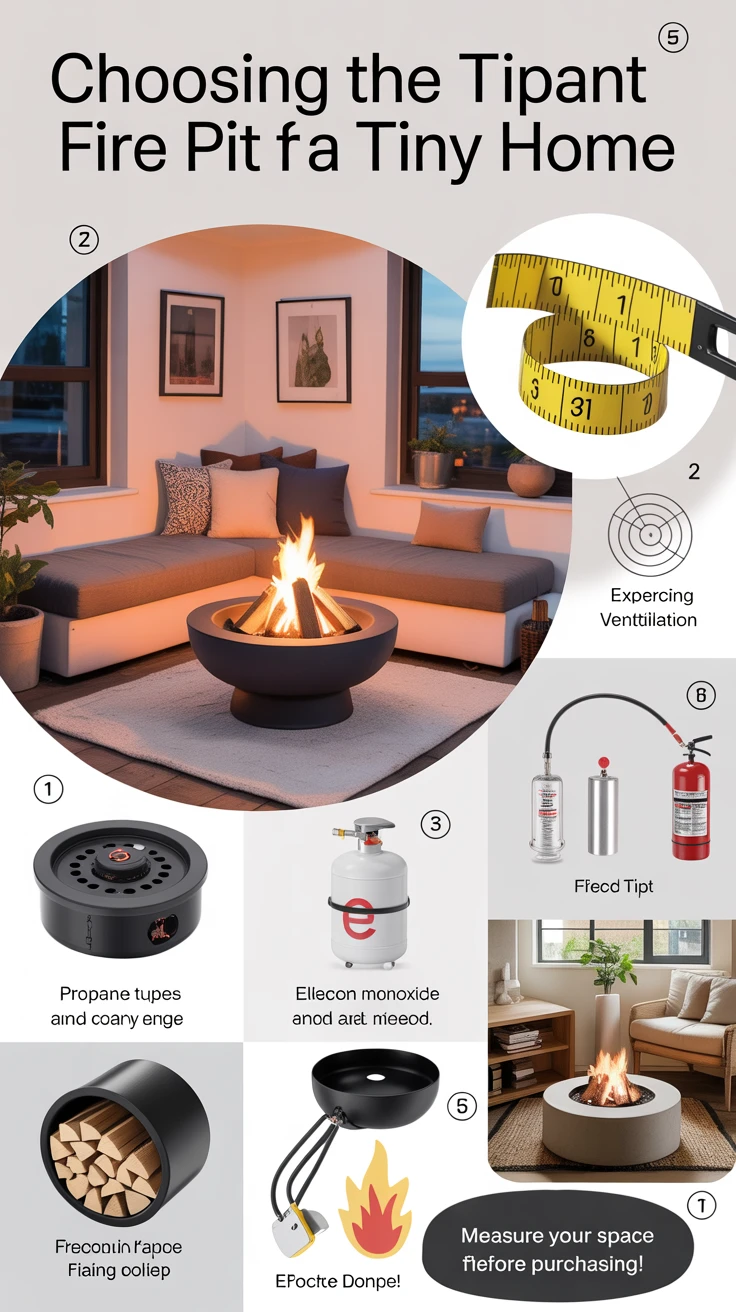
Before diving into specific models, let’s address some key considerations I learned (sometimes the hard way) when selecting a fire pit for a tiny home:
- Space efficiency: Every square inch counts in a tiny home. Your fire pit should complement your space, not overwhelm it.
- Ventilation: Proper airflow is crucial in confined spaces. I once made the mistake of using an inappropriate fire pit indoors and quickly learned about the importance of ventilation!
- Fuel type: Options range from wood-burning to propane, natural gas, gel, or electric. Each has implications for your space and lifestyle.
- Safety features: Especially important in small spaces where everything is in close proximity.
- Aesthetic value: In tiny homes, every item serves as part of your décor.
Pro Tip: Measure your space three times before purchasing. I once bought what I thought was a “compact” fire pit only to find it dominated my living area—not the cozy accent I had envisioned!
1. Modern Minimalist Design: Sleek and Space-Saving
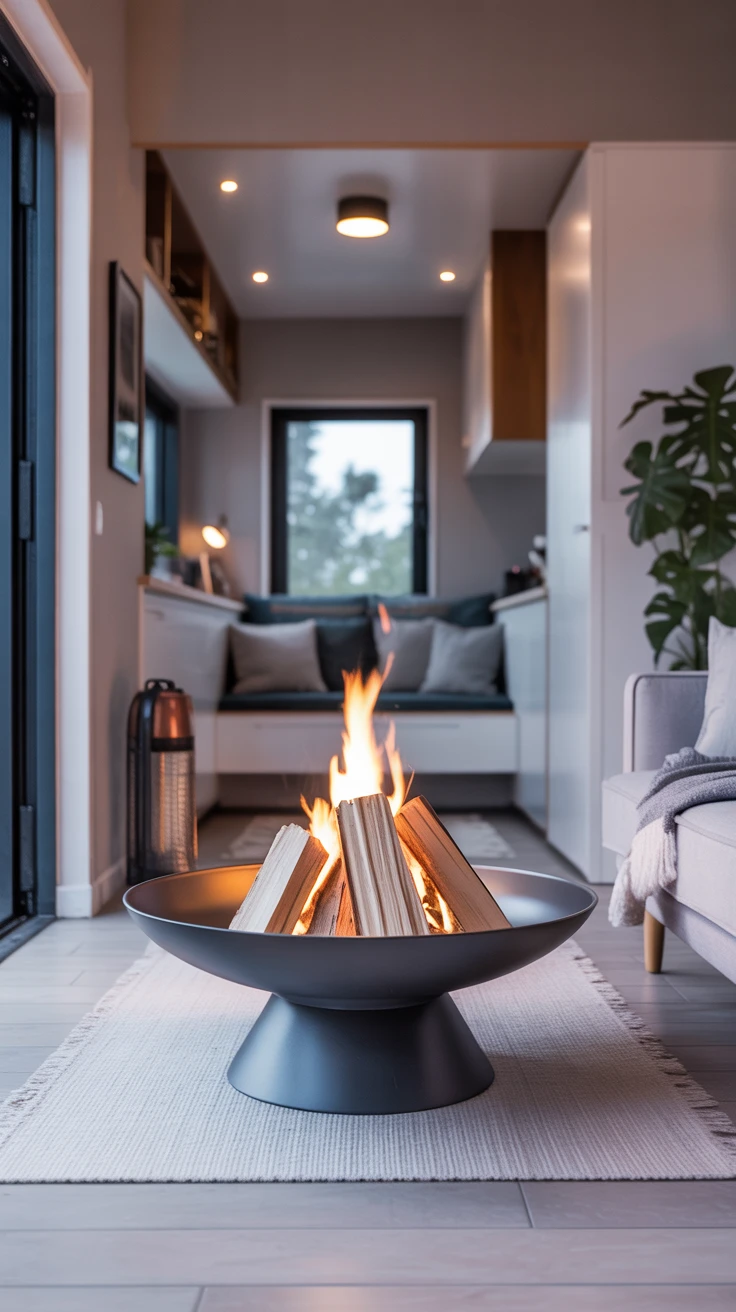
My first luxury recommendation embraces the “less is more” philosophy that tiny home dwellers understand intimately. The Modfire Studio is a standout in this category with its sculptural, almost art-like quality.
This conical steel fire pit features clean lines and a slim profile that works beautifully in tight spaces. Available in various powder-coated colors, it becomes a statement piece even when not in use. The elevated design allows for better heat distribution while maintaining a small footprint.
What I love about minimalist fire pits is their versatility. They complement virtually any interior design style, from industrial to Scandinavian to mid-century modern.
- Height: Typically 24-36 inches
- Diameter: Usually 12-18 inches
- Fuel type: Propane or natural gas
- Price range: $800-$1,500
Pro Tip: Look for models with adjustable flame control. I’ve found this feature essential for tiny spaces where you might want a subtle flame for ambiance or a stronger one for heating.
2. Compact and Convertible: Dual Functionality in Small Spaces

My second recommendation addresses the ultimate tiny home challenge: how to incorporate items that serve multiple purposes. The Prism Fire Table by Elementi exemplifies this concept brilliantly.
During my first winter in my tiny home, I discovered the value of furniture that does double-duty. This sleek concrete fire pit converts to a functional table when not in use—simply place the cover over the burner, and you have an instant coffee table or dining surface.
Other convertible options include fire pits with removable grilling surfaces, allowing you to cook and then enjoy the warmth of the flames afterward.
Pro Tip: Choose a convertible fire pit with hidden propane tank storage if possible. This eliminates the need for a separate storage solution, saving precious space in your tiny home.
3. Eco-Friendly Innovations: Sustainable Warmth for Your Tiny Home Luxury Fire Pit
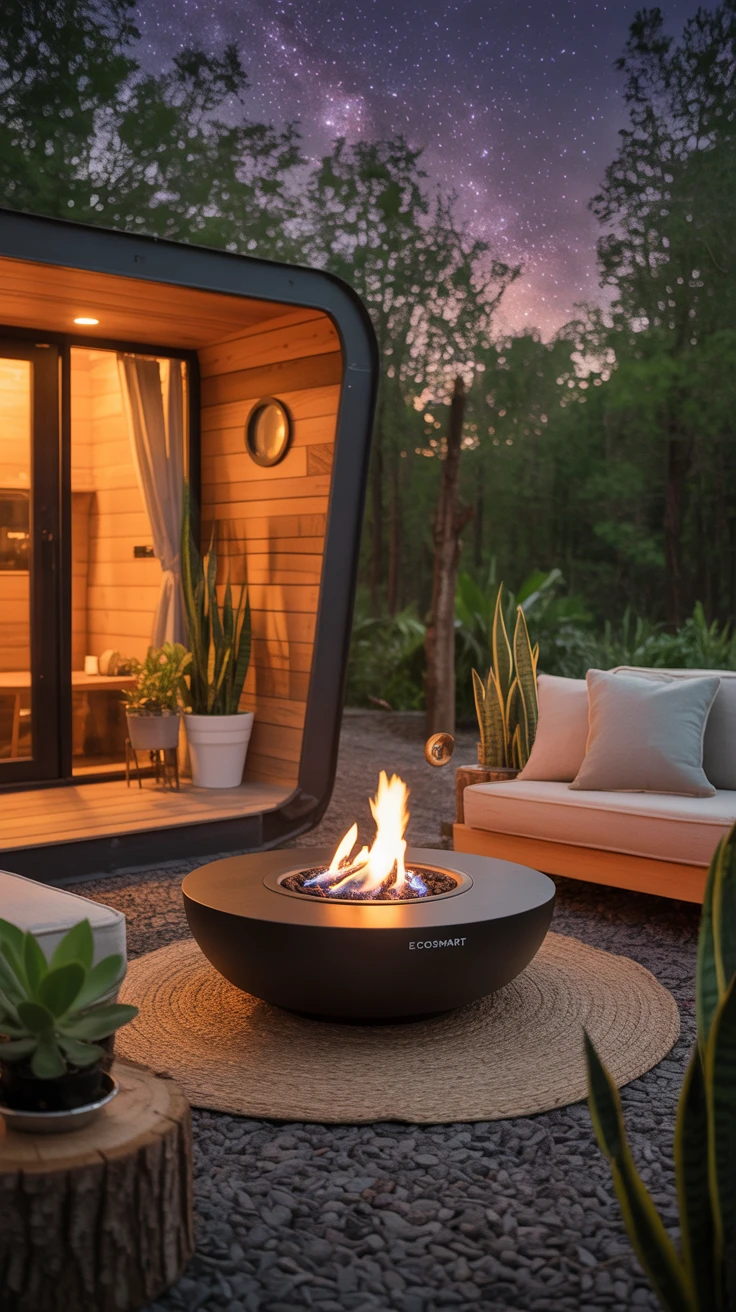
Sustainability often goes hand-in-hand with tiny living, and your fire pit can reflect these values too. The EcoSmart Fire Pod is my top recommendation for environmentally conscious tiny home dwellers.
This sleek, portable fire feature runs on bioethanol, a renewable fuel that burns clean with no smoke, soot, or ash. This means no chimney or flue is required—a huge advantage in a tiny home where ventilation can be challenging.
I was initially skeptical about the heat output of eco-friendly options, but the warmth from my bioethanol fire pit has been impressive, easily heating my small space on chilly evenings.
- Zero emissions
- No installation required
- No utility connections needed
- Clean-burning with no residue
Pro Tip: When using bioethanol fire pits, always purchase fuel from reputable sources. I once bought a cheaper alternative that produced an unpleasant odor—not ideal in a tiny space where scents linger!
4. Portable Elegance: Style on the Move
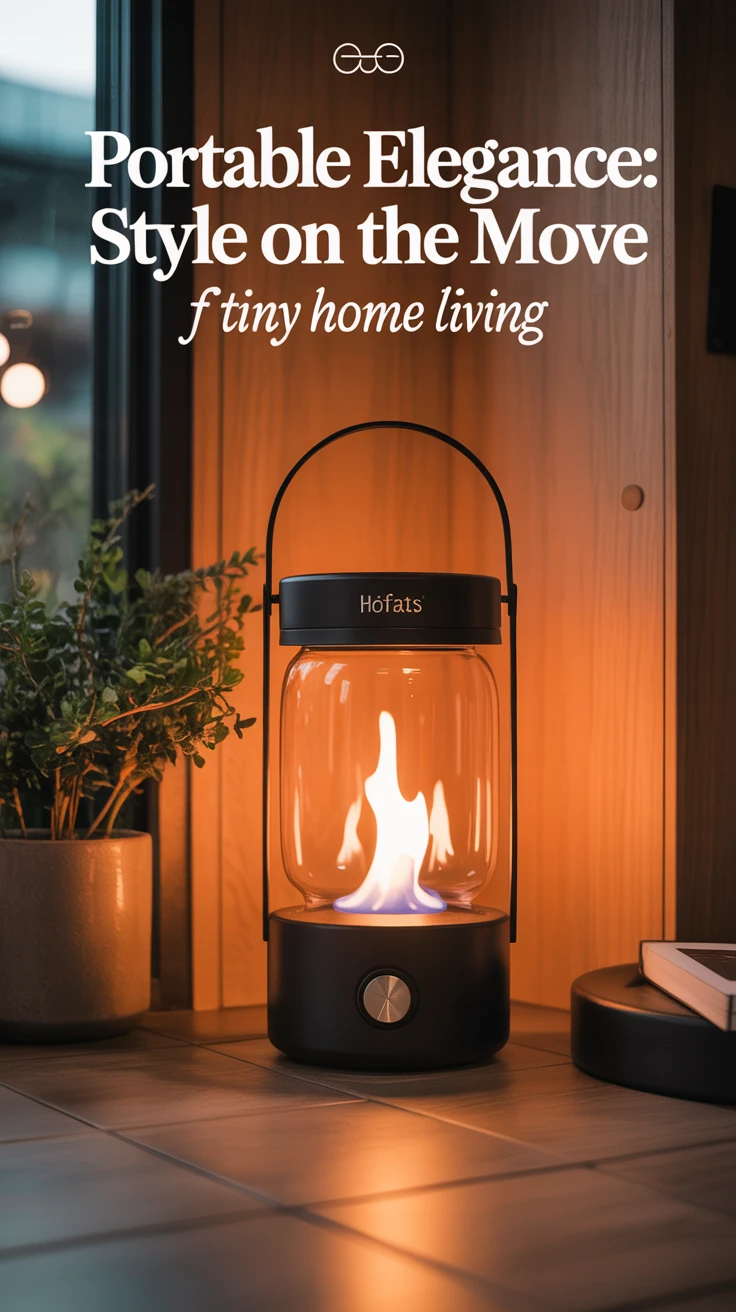
Flexibility is key in tiny home living, which is why I adore portable luxury fire pits. The Höfats SPIN is a marvel of German engineering that combines mobility with sophisticated design.
This unique gel-fueled fire lantern can be moved anywhere you need warmth—from your indoor living space to your outdoor deck. Its glass hurricane enclosure means the flame is protected from wind while providing 360-degree views of the dancing fire.
What makes portable options particularly valuable for tiny homes is the ability to reclaim the space when the fire pit isn’t needed. I frequently move mine outside during summer gatherings and bring it indoors during colder months.
Pro Tip: Invest in heat-resistant surfaces or mats that can travel with your portable fire pit. This simple addition has saved my wooden surfaces more than once!
5. Multi-Functional Marvel: Beyond Just Heating
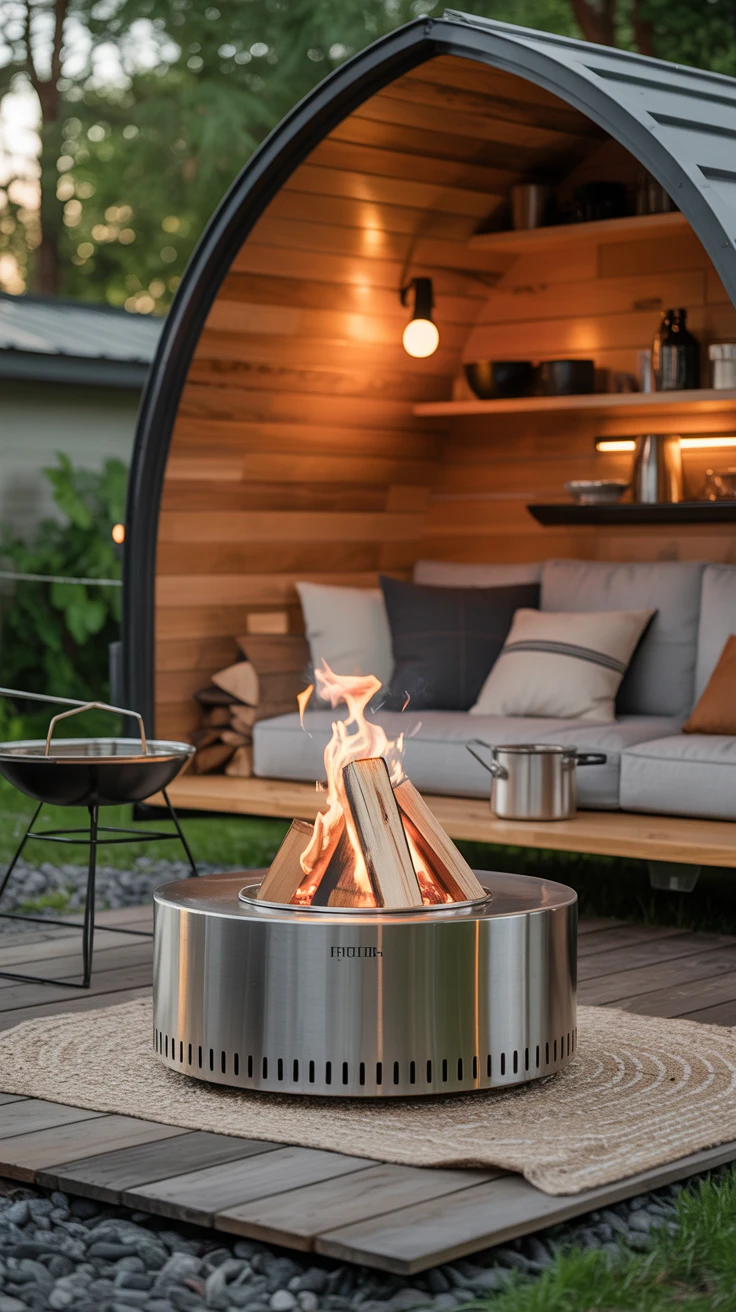
Taking the concept of dual functionality even further, some luxury fire pits for tiny homes serve three or more purposes. The Solo Stove Grill Ultimate Bundle exemplifies this approach.
This stainless steel wonder functions as:
- A highly efficient wood-burning fire pit
- A charcoal grill for cooking
- A tabletop with the addition of a lid
- A portable heat source for outdoor adventures
I’ve found that investing in multi-functional pieces not only saves space but also reduces the overall number of items I need to own—a cornerstone principle of tiny living.
Pro Tip: Look for fire pits with available accessories that expand functionality. My multi-functional fire pit started as just a heating solution, but with additional components, it’s now also my primary cooking appliance.
6. Sophisticated Stone Finish: Elegance Meets Durability
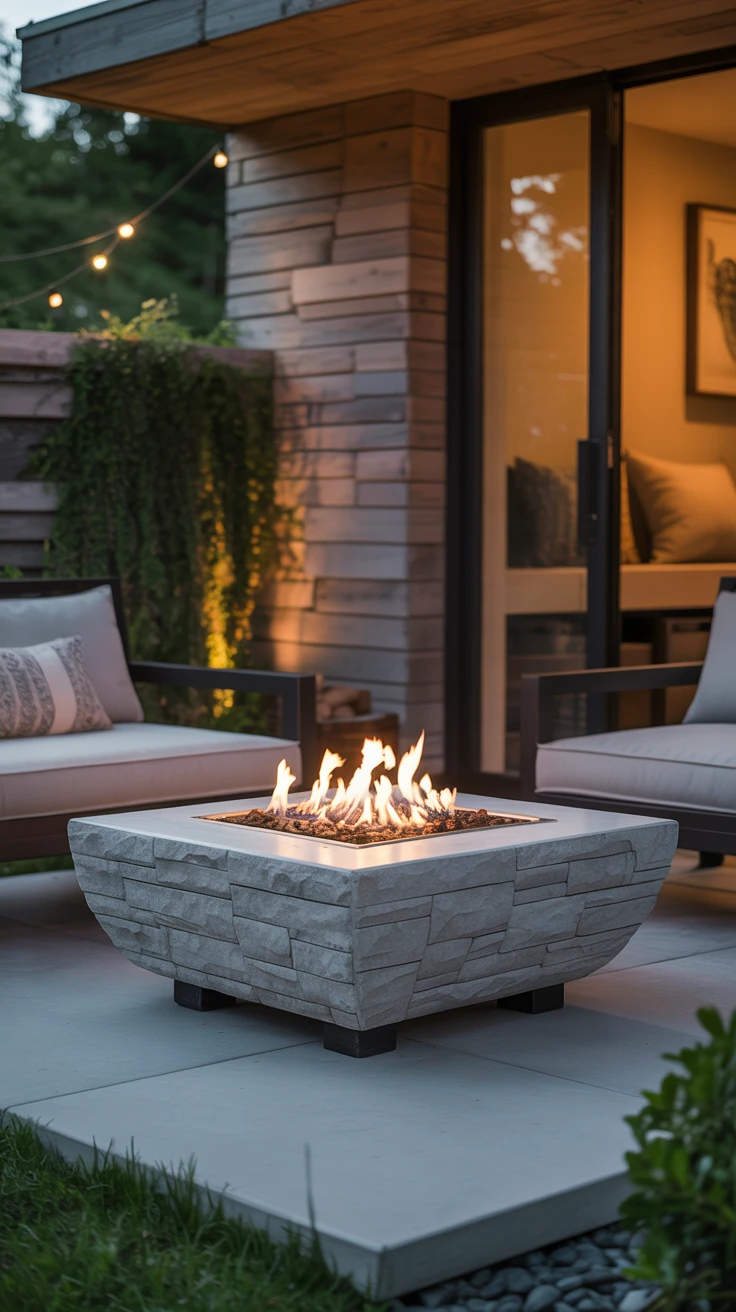
For those seeking a more permanent-looking installation without actual permanence, stone-finished fire pits offer the perfect solution. The Elementi Granville fire table combines the look of natural stone with the practicality tiny homes require.
Made from glass-fiber reinforced concrete, these fire features have the substantial appearance of stone without the excessive weight—an important consideration for tiny homes, especially those on wheels.
The first time I introduced guests to my tiny home, they were amazed that such a luxurious-looking fire feature could work in my compact space. The stone finish adds a touch of elegance that elevates the entire living area.
Pro Tip: Opt for lighter-colored stone finishes in very small spaces. I found that darker stone, while beautiful, made my space feel more enclosed, while lighter tones created a more expansive feel.
7. Smart Fire Technology: Control at Your Fingertips
The final luxury fire pit category embraces modern technology to enhance convenience and safety—crucial factors in tiny home living. The Hearth & Home Technologies SimpliFire is at the forefront of this innovation.
These electric fire features can be controlled via smartphone apps or voice commands, allowing you to adjust flame height, heat output, and even color without moving from your seat. Some models integrate with smart home systems for automated operation based on temperature or time of day.
I was initially resistant to adding another “tech” item to my simplified tiny home life, but the convenience has been game-changing—especially the ability to turn it off remotely if I’ve left home and can’t remember if I shut it down.
Pro Tip: Look for smart fire pits with power outage memory features. This ensures your fire pit returns to your preferred settings after a power interruption—something I wish I’d considered when making my purchase.
Pro Tips for Maintaining a Fire Pit in a Tiny Home
Based on my experience with various tiny home luxury fire pits, here are my top maintenance recommendations:
- Establish a cleaning routine: In small spaces, even minimal soot or residue becomes noticeable quickly.
- Store fuel properly: Dedicate a specific, safe location for fuel storage away from heat sources.
- Check ventilation regularly: Ensure your carbon monoxide detector is working and that proper airflow is maintained.
- Inspect for wear and tear: Small issues can escalate quickly in confined spaces.
- Consider seasonal storage: If you have external storage, consider putting your fire pit away during seasons when it’s not needed.
Pro Tip: Create a “fire pit station” with all necessary tools and accessories neatly organized nearby. This prevents the frustration of searching for items in your compact space and ensures safety equipment is always at hand.
Conclusion
Embracing luxury in a tiny home isn’t about scaling down high-end products—it’s about finding beautifully designed, functional items that enhance your quality of life while respecting your space constraints.
The seven luxury fire pit options I’ve shared prove that you don’t need a sprawling living room to enjoy the comfort and elegance of a premium fire feature. Whether you prioritize portability, eco-friendliness, or smart technology, there’s a luxury fire pit perfectly suited to your tiny home lifestyle.
Remember that in tiny living, every item should earn its place through both function and beauty. A well-chosen luxury fire pit does exactly that—warming your space while serving as a stunning focal point that makes your tiny home feel like a palace.
Frequently Asked Questions
Are luxury fire pits safe for use in tiny homes?
Yes, when chosen and used correctly. Select models designed for indoor use, ensure proper ventilation, maintain clearance from combustible materials, and always use a carbon monoxide detector. I personally prefer propane, gel, electric, or bioethanol models for indoor tiny home use as they produce fewer emissions.
What’s the best fuel type for a tiny home fire pit?
It depends on your priorities. Electric models offer the most safety and convenience, bioethanol provides a real flame with minimal emissions, propane delivers excellent heat output with good control, and wood-burning options (when used outdoors) provide the most authentic experience. I’ve found propane to be the best balance for my needs.
How much should I expect to spend on a luxury fire pit for my tiny home?
Quality compact luxury fire pits typically range from $500 to $2,500. While this may seem significant for a tiny home budget, remember that these items often serve multiple functions and become central features of your living space. My fire pit was one of my larger investments, but it’s also one of my most frequently used and appreciated items.
Can a luxury fire pit effectively heat my entire tiny home?
Most compact luxury fire pits produce between 30,000-60,000 BTUs, which can effectively heat 400-600 square feet—perfect for most tiny homes. However, factors like insulation, ceiling height, and climate will affect performance. In my 400-square-foot tiny home, my 40,000 BTU fire pit provides ample warmth on all but the coldest days.
How do I maintain my luxury fire pit in a tiny home?
Follow the manufacturer’s cleaning instructions, check connections regularly, keep the burner free of debris, and store properly when not in use. For propane models, inspect hoses periodically and replace if they show signs of wear. I dedicate about 15 minutes each month to maintaining my fire pit, which has kept it in excellent condition for years.