

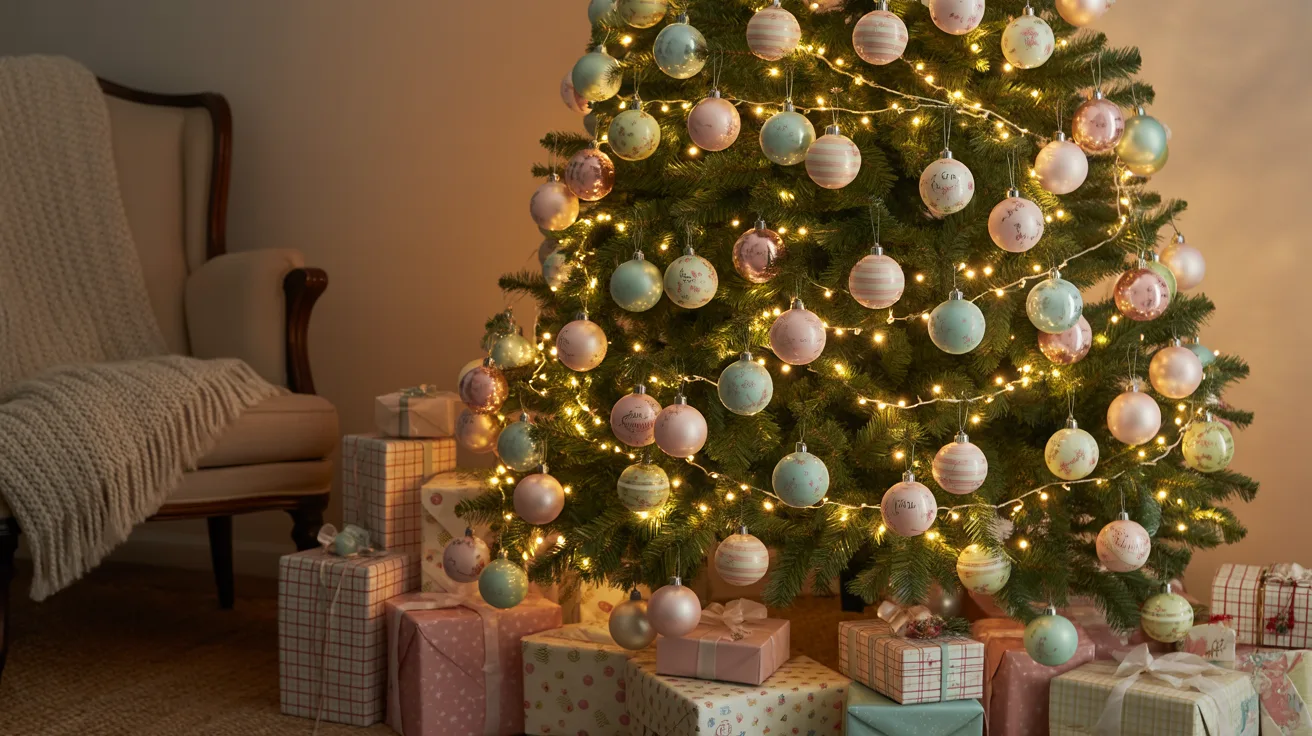
Introduction to Vintage Christmas Tree Decor
There’s something magical about walking into a home adorned with vintage Christmas tree decor. The soft glow of old-fashioned lights, the delicate shimmer of glass ornaments passed down through generations, and the warm feelings of nostalgia they evoke—it’s a special kind of Christmas magic that modern decorations often can’t replicate.
I remember the first time I unwrapped my grandmother’s collection of 1950s Shiny Brite ornaments. Holding those delicate glass spheres in my hands, I felt connected to Christmas celebrations long before my time. That’s the power of vintage holiday decorations—they tell stories and bridge generations.
In our fast-paced world of mass-produced decorations, more people are turning to vintage-inspired Christmas trees to recapture the charm and authenticity of holidays past. Whether you’re a dedicated collector or simply looking to add a few nostalgic touches to your holiday decor, these 18 ideas will help you create a tree brimming with old-fashioned Christmas charm.
Choosing the Right Tree for a Vintage Look
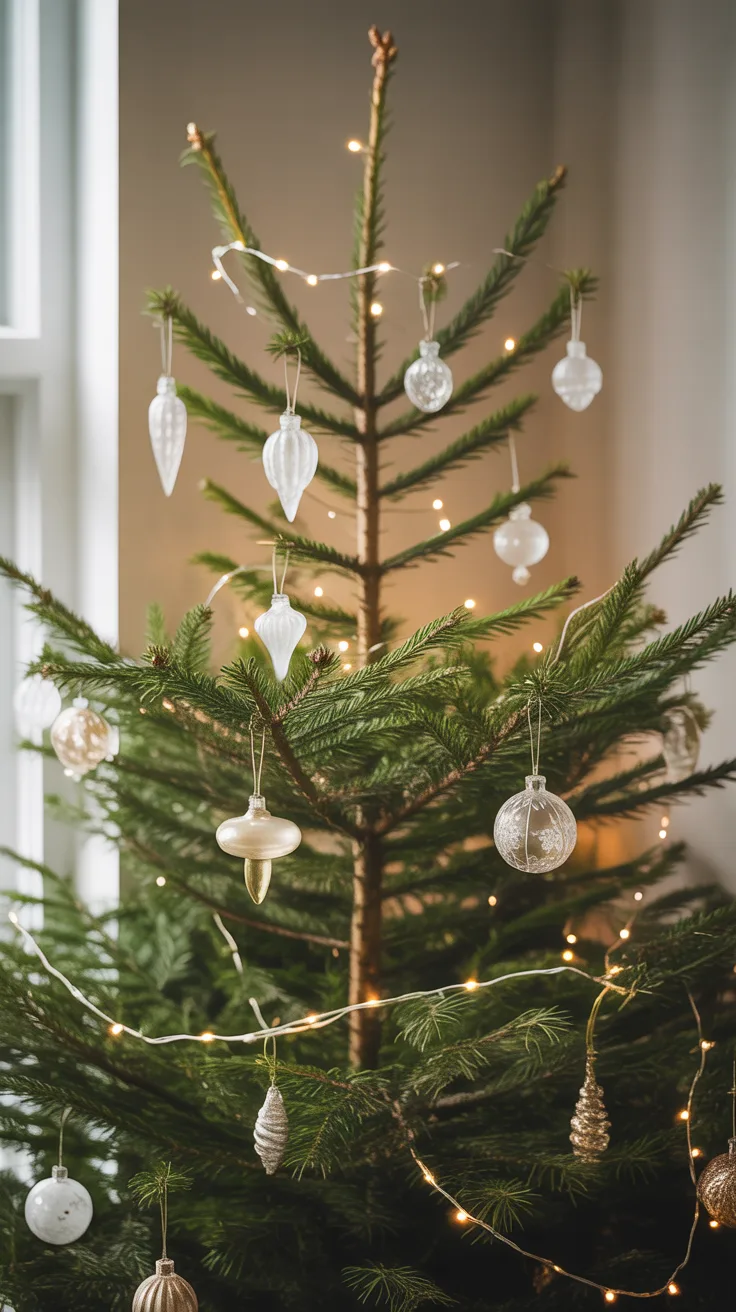
The perfect canvas for your vintage Christmas decorations starts with selecting the right tree. Unlike today’s perfectly symmetrical artificial trees, vintage-inspired displays often embrace a more natural, imperfect look.
For authenticity, consider a real tree with a slightly sparse silhouette. Fraser firs and balsams were popular choices in decades past. If you prefer artificial, look for trees with visible spaces between branches—those ultra-full modern trees can overwhelm delicate vintage ornaments.
I once made the mistake of buying a densely packed artificial tree, only to discover my collection of vintage glass ornaments practically disappeared into the branches. The following year, I opted for a more traditionally shaped tree with some natural spacing, and what a difference it made! My vintage pieces finally had the stage they deserved.
Pro Tip: For an authentic mid-century look, consider a silver aluminum tree if you’re feeling bold. These iconic trees were all the rage in the 1950s and 1960s. Pair with a color wheel light for the ultimate retro statement!
Classic Ornaments and Their Origins
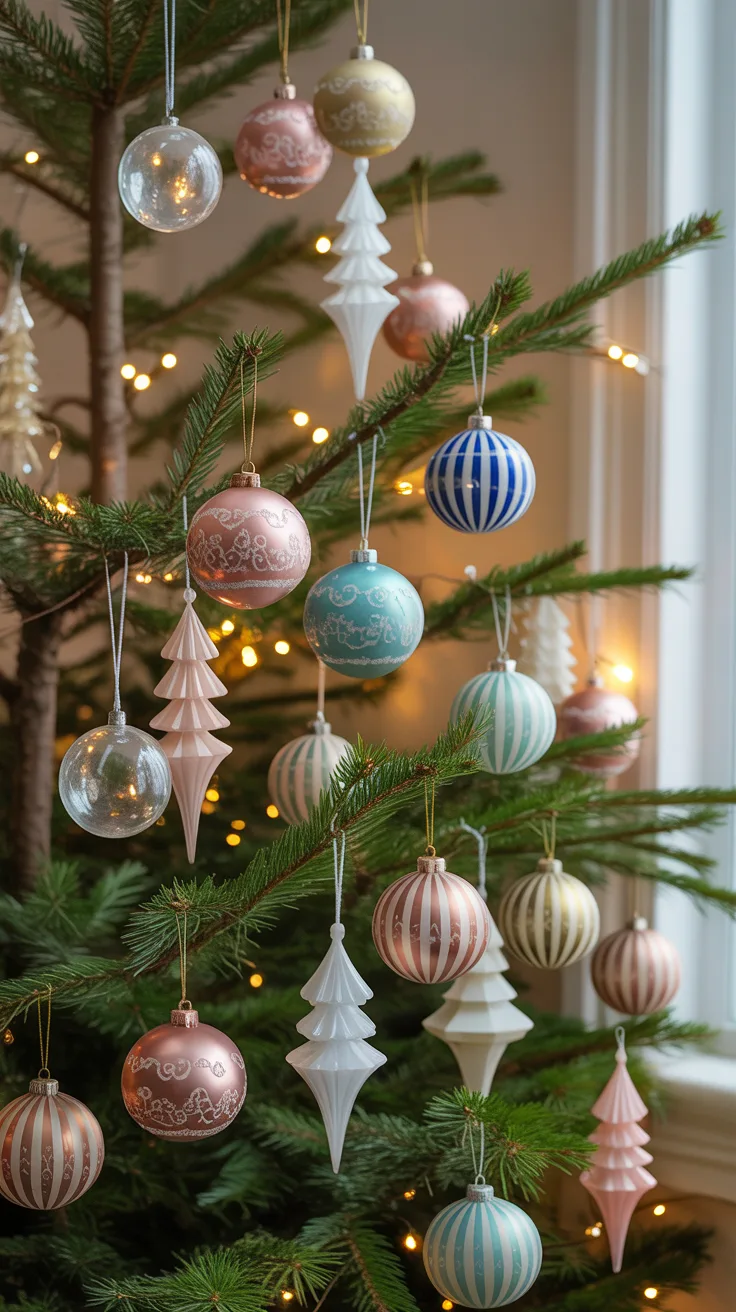
The heart of any vintage Christmas tree is its ornaments. Understanding their history adds another layer of appreciation as you decorate:
- Glass Kugels – These German-made hollow glass spheres are the ancestors of modern ball ornaments, dating back to the 16th century. Originally made to replace expensive fruits used as decorations, they’re now treasured collectibles.
- Shiny Brite Ornaments – When German imports were halted during WWII, American manufacturer Max Eckardt stepped in with these colorful glass ornaments. Their distinctive stripes, stenciled designs, and indented shapes defined Christmas from the 1940s-1960s.
- Dresden Ornaments – These delicate embossed paper ornaments from Germany (1880s-1910s) came in shapes like animals, instruments, and vehicles. Few survived the years, making authentic pieces rare finds.
- Hand-Painted Glass Figurals – Birds, fruits, Santa figures, and other shapes blown from glass and hand-painted became popular in the early 20th century.
- Cotton Batting Ornaments – These soft ornaments often featured Santa faces or winter scenes, popular during the 1920s-1940s.
- Bubble Lights – Introduced in the 1940s, these mesmerizing lights contain a liquid that bubbles when warmed by the bulb.
I inherited a small collection of hand-painted glass birds from my great-aunt, and learning they were popular during her childhood in the 1930s made them even more special. Each ornament you discover has its own story!
Incorporating Antique Garlands
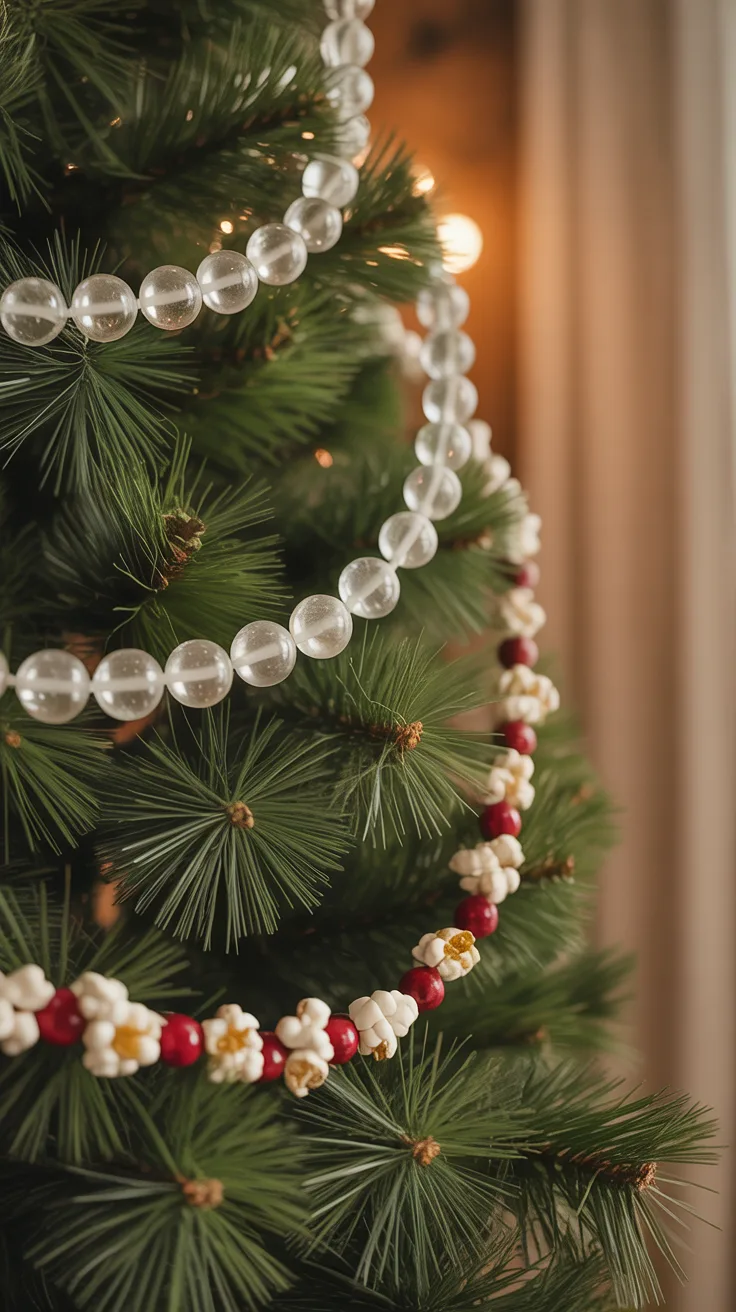
Garlands are the ribbons that tie your vintage tree together. Traditional options include:
Popcorn and cranberry strings offer the most authentic old-fashioned look. I attempted making one with my children last year—what I thought would be a charming family activity turned into a lesson in patience! We only completed about three feet before abandoning ship, but even that short strand added undeniable charm to our tree.
Glass bead garlands from the 1920s-1950s add sparkle and color. These delicate strands were often imported from Czechoslovakia and came in a rainbow of colors. Handle with care—they’re increasingly rare.
Tinsel garlands made from lead (pre-1960s) have a drape and shine that modern versions can’t match. However, due to safety concerns, I recommend displaying these as decorative pieces elsewhere rather than on the tree.
Pro Tip: When using vintage glass bead garlands, drape them in short swags rather than wrapping them around the tree. This reduces stress on the connecting threads and helps preserve these fragile treasures.
Vintage Tree Toppers That Steal the Show
The crowning glory of any vintage Christmas tree is its topper. These eye-catching pieces often become the most cherished decorations in a collection:
Illuminated stars and angels with painted celluloid faces were popular from the 1930s-1950s. Many featured halos of spun glass “angel hair” that created a magical glow when lit.
German Dresden star toppers, made from embossed and gilded paper, add an elegant touch reminiscent of Victorian-era trees.
Spun glass or tinsel toppers with reflective properties catch and scatter light beautifully.
I once spotted a 1940s illuminated angel topper at an estate sale but hesitated at the price. When I returned the next day, it was gone—a collecting lesson I’ve never forgotten! When you find a special vintage piece that speaks to you, it’s rarely a decision you’ll regret.
Using Retro Lights for a Warm Glow
Nothing creates atmosphere quite like lighting, and vintage-style lights add unmistakable character to your tree:
C7 and C9 bulbs—those larger, colorful lights popular from the 1940s-1970s—cast a warm, nostalgic glow that modern mini lights can’t replicate. Their gentle illumination flatters vintage ornaments beautifully.
Bubble lights, with their hypnotic rising bubbles, were the height of Christmas tree innovation in the late 1940s and 1950s. Working vintage sets are increasingly rare, but reproductions capture their charm.
If using authentic vintage lights, please exercise caution. I learned this lesson when my grandfather’s 1950s light set began to smoke slightly after being plugged in. Have vintage lights inspected by an electrician or consider using them as decorative elements without actually powering them.
Pro Tip: For safety with vintage aesthetics, look for modern reproductions of classic lights from specialty retailers. These offer the charm of old-fashioned bulbs with updated safety features.
Pro Tips for Finding Authentic Vintage Pieces
Building a collection of genuine vintage decorations takes time, knowledge, and patience:
Estate sales in older neighborhoods often yield the best finds. Arrive early and head straight for the holiday decorations. I’ve found some of my most precious ornaments tucked in dusty attic boxes at estate sales.
Antique malls and flea markets are treasure troves, especially in small towns. Prices are often better than at specialized antique shops in tourist areas.
Online marketplaces can be good sources, but beware of reproductions being sold as vintage. Always ask for close-up photos of any maker’s marks or packaging.
Learn to spot reproductions by studying authentic pieces in museums or reference books. Vintage glass ornaments typically have a pontil mark (a rough spot where the glass was separated from the blowing tube), while reproductions often have a smoother finish.
Don’t overlook thrift stores, especially in January when holiday donations pour in. My most remarkable find was a box of 1950s Shiny Brites for $3 at a rural thrift shop—sometimes the best treasures appear when you least expect them!
Maintaining and Storing Vintage Decorations
Proper care ensures your vintage treasures will delight for generations to come:
Store glass ornaments in acid-free tissue paper or cotton, ideally in divided containers that prevent contact between pieces. I learned this lesson the hard way after storing ornaments in their original boxes, which had deteriorated and caused some color transfer.
Keep all vintage decorations away from extreme temperature fluctuations. Attics and garages are generally not ideal storage locations.
Clean glass ornaments gently with a soft, dry cloth only. Never submerge vintage ornaments in water or use cleaning solutions, which can damage delicate finishes.
For fragile items with flaking paint or deteriorating materials, consider display cases for year-round enjoyment rather than annual handling.
Document your collection with photographs and notes about each piece’s history or where you acquired it. This information becomes increasingly valuable as collections pass through generations.
Pro Tip: When storing vintage glass bead garlands, wrap them around acid-free tissue paper tubes rather than folding them, which can break the connecting threads.
Frequently Asked Questions
What defines a vintage Christmas tree decoration?
Generally, items at least 20-30 years old are considered vintage, while those over 100 years old are antique. Most collectors consider Christmas items from the 1920s through the 1970s as “vintage,” with each decade having distinctive styles and materials. The most sought-after vintage Christmas decorations typically come from the 1940s-1960s.
How can I tell if an ornament is truly vintage?
Look for signs of age such as patina, wear patterns consistent with age (not manufactured distressing), and manufacturing techniques specific to certain eras. Glass ornaments should have pontil marks where they were separated from blowing tubes. Packaging can be a valuable clue—original boxes with period graphics and pricing often help authenticate items. Research manufacturer marks and learn the distinctive characteristics of popular brands like Shiny Brite, Radko, and European imports.
Where can I find vintage Christmas decorations?
Estate sales, antique malls, flea markets, thrift stores, and online marketplaces are all good sources. Specialized antique shows featuring holiday items happen throughout the year, not just during the Christmas season. Join online collecting groups where members often sell or trade directly with each other. Family attics and basements can also yield forgotten treasures—ask older relatives if they have holiday decorations they no longer use.
Are vintage Christmas lights safe to use?
Most vintage light sets (particularly those made before the 1970s) don’t meet modern safety standards. Issues include inadequate insulation, lack of fusing, and potential fire hazards. If you want to use vintage lights, have them inspected by an electrician who specializes in vintage electrical items. Many collectors display vintage light sets without plugging them in, or opt for modern reproductions that capture the vintage aesthetic with updated safety features.
