
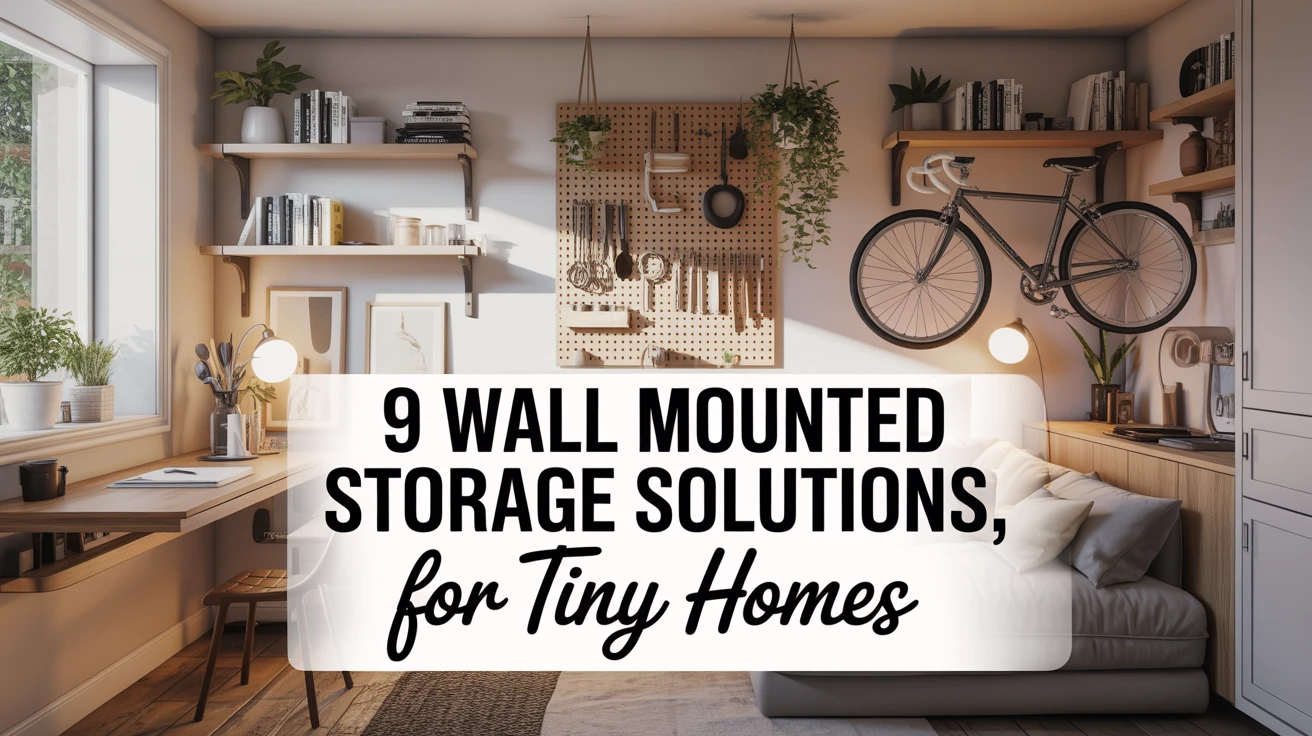
Embracing Vertical Spaces in Tiny Homes
Living in a tiny home comes with its unique set of challenges, but none more pressing than finding adequate storage space. When I first moved into my 400-square-foot apartment, I quickly realized that traditional storage solutions simply wouldn’t cut it. The floor space was precious and limited, forcing me to look up—literally.
That’s when I discovered the transformative power of wall mounted storage. By utilizing vertical space, I was able to keep essentials accessible while maintaining an open, uncluttered living area. After years of experimenting with different solutions, I’ve compiled my nine favorite wall mounted storage options that have revolutionized tiny home living.
These solutions aren’t just functional—they can be stylish statement pieces that enhance your décor while solving your storage dilemmas. Let’s explore how to make your walls work harder so you can live larger in your small space.

- Adjustable louvered roof lets you control sun, shade, and airflow.
- Built-in gutter system keeps the area dry during rain.
- Durable powder-coated aluminum frame resists rust and weather.
- Includes waterproof curtains and mosquito netting for privacy and protection.

- Smooth contours and seamless design
- Up to 325 square feet of shaded paradise
- Features 4.53×4.53 inch reinforced columns
- Say goodbye to water buildup woes! Our innovative drainage system of this hardtop pergola discreetly whisks away excess water
1. Floating Shelves: Elevate Your Storage with Style
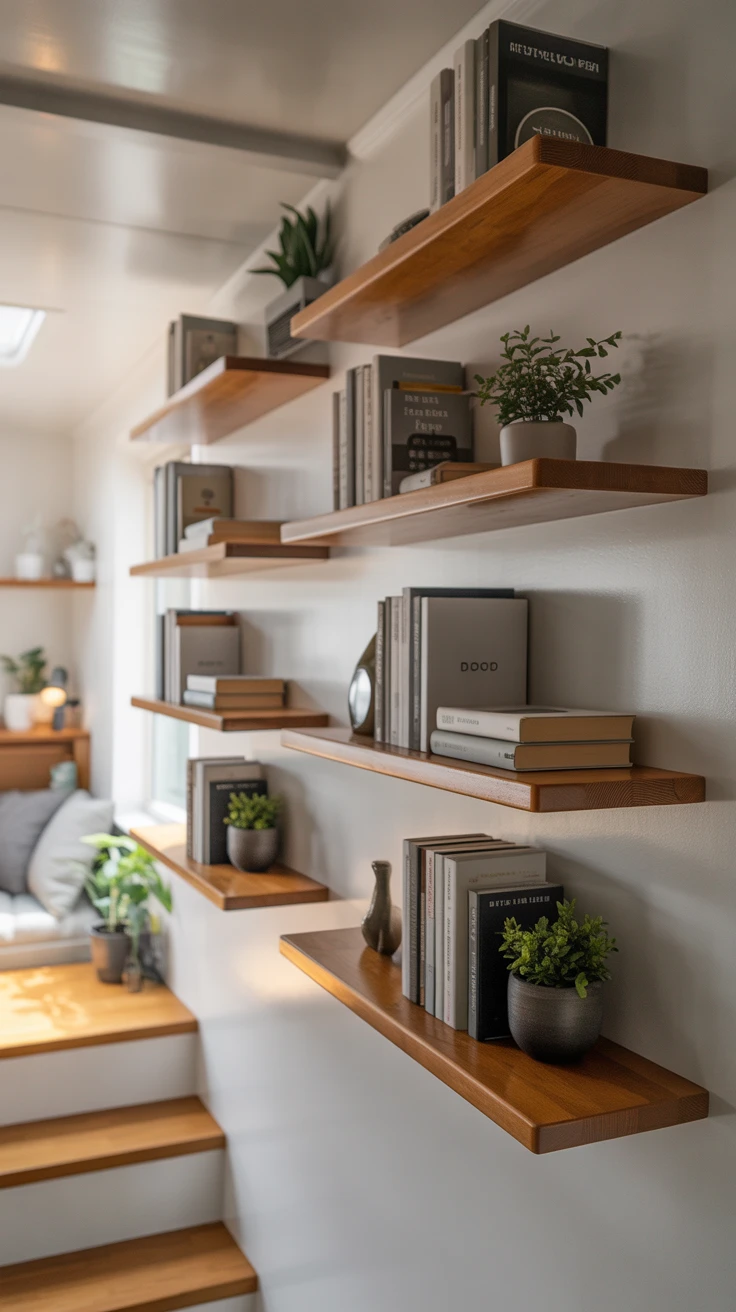
Floating shelves were my first foray into wall mounted storage, and they remain a staple in my tiny home arsenal. These versatile platforms appear to “float” against the wall without visible brackets, creating a clean, minimalist look that works in any room.
I’ve installed floating shelves in nearly every room of my home, using them to display books in the living room, store spices in the kitchen, and organize toiletries in the bathroom. The beauty of floating shelves lies in their versatility and visual lightness.
- Materials to consider: Solid wood for warmth, glass for a modern look, metal for industrial style
- Arrangement styles: Staggered for visual interest, aligned for order, corner configurations to maximize awkward spaces
- Weight capacity: Check weight limits before displaying heavy items

View on AmazonAs an Amazon Associate, I earn from qualifying purchases.

View on AmazonAs an Amazon Associate, I earn from qualifying purchases.
Pro Tip: Install your floating shelves at varying heights to create visual rhythm and accommodate items of different sizes. I learned this after initially installing all my shelves at equal distances, only to find they couldn’t fit taller items like vases or blenders.
2. Wall-Mounted Cabinets: Concealed Yet Convenient
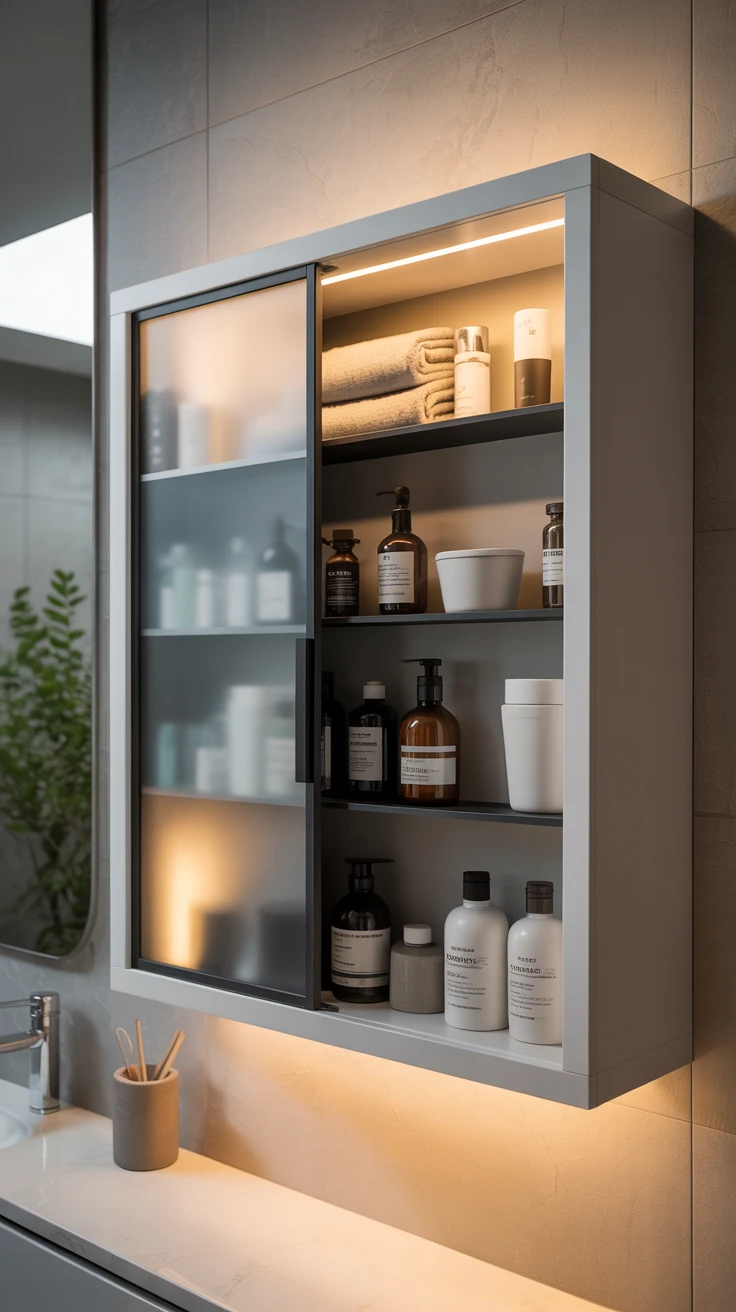
When I need to hide clutter but keep items accessible, wall-mounted cabinets are my go-to solution. Unlike floating shelves, these enclosed units keep visual noise to a minimum while providing ample storage space.
In my bathroom, a wall-mounted medicine cabinet holds toiletries and medications out of sight. In the living room, a slim wall cabinet stores board games and media equipment without taking up floor space. The key is selecting cabinets that complement your existing décor while maximizing storage potential.
Pro Tip: Choose cabinets with sliding doors rather than swing-out doors when space is extremely limited. I once installed a cabinet with traditional doors in my narrow hallway, only to find I couldn’t fully open it without hitting the opposite wall!
3. Pegboards with Accessories: Customizable Organization
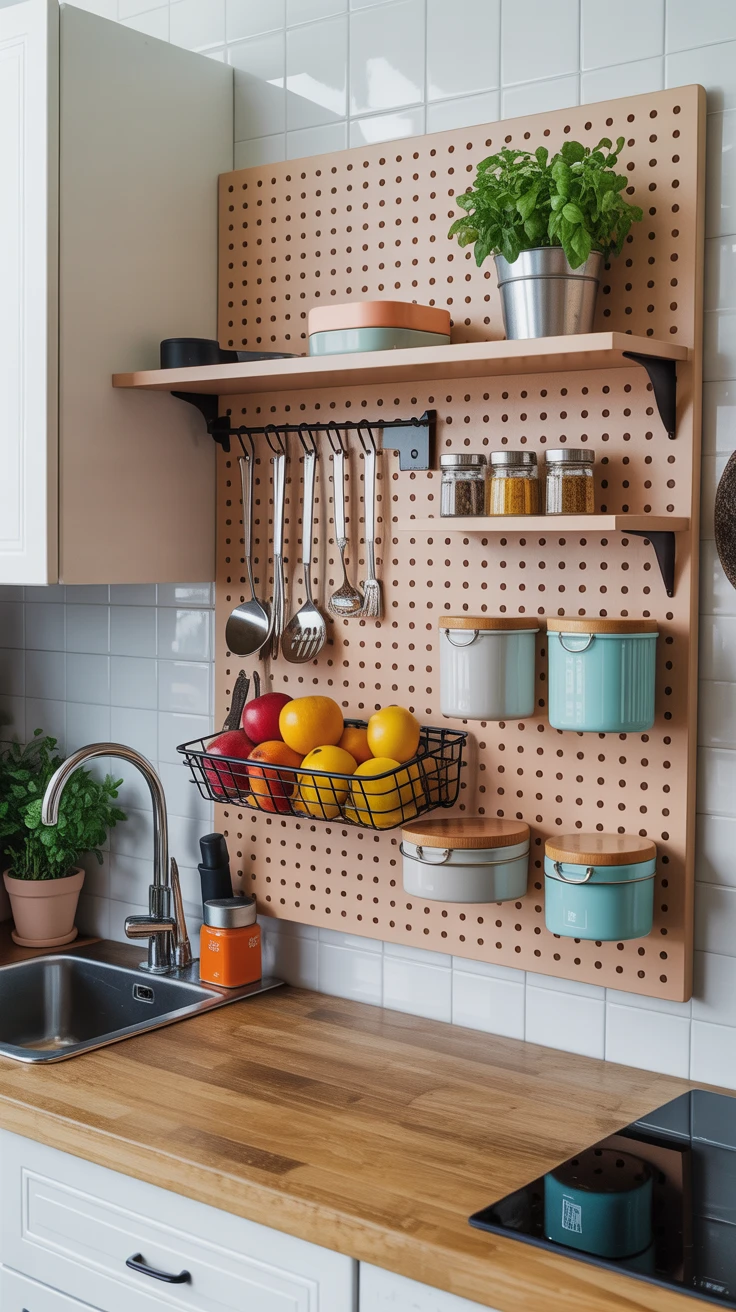
Pegboards have come a long way from their workshop origins. These customizable panels have become stylish organizational tools that adapt to changing needs—a crucial feature for tiny home living.
My kitchen pegboard has been a game-changer, holding everything from pots and pans to utensils and cutting boards. In my home office area, another pegboard keeps supplies organized and within reach. The ability to reconfigure hooks, shelves, and containers as needed makes pegboards one of the most flexible storage solutions I’ve found.
- Essential pegboard accessories:
- S-hooks for hanging utensils and tools
- Small baskets for containing loose items
- Shelves for displaying décor or holding containers
- Tool holders specifically designed for pegboards

View on AmazonAs an Amazon Associate, I earn from qualifying purchases.

View on AmazonAs an Amazon Associate, I earn from qualifying purchases.
Pro Tip: Paint your pegboard to match or complement your wall color for a more integrated look. My first pegboard was the standard white, which stood out awkwardly against my colored walls until I gave it a coordinating paint job.
4. Vertical Bike Racks: Save Floor Space While Storing Bikes
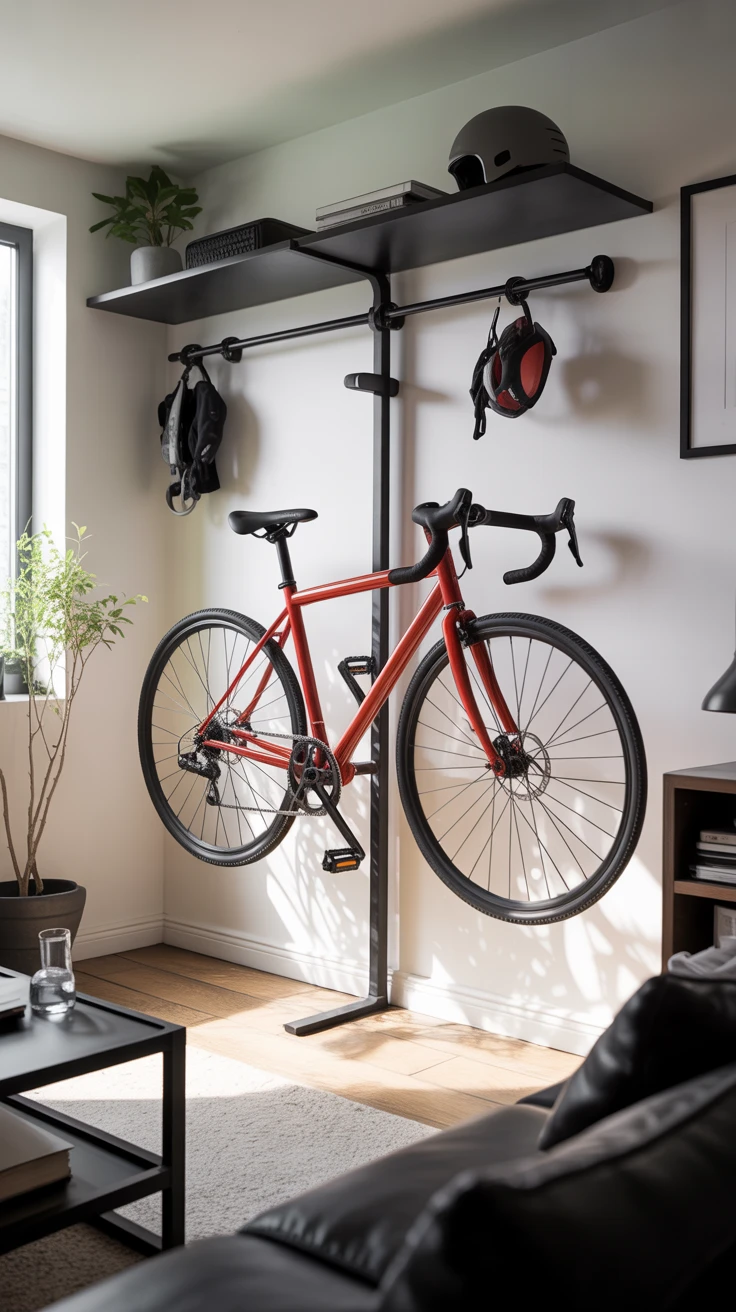
For urban dwellers like myself, bicycles are essential but notoriously difficult to store in tiny spaces. After tripping over my bike one too many times, I discovered vertical bike racks that transform transportation into wall art.
These clever mounts hold bikes perpendicular to the wall, minimizing their footprint while showcasing their design. Some models even incorporate shelving above the bike for helmets and gear, maximizing the wall’s utility.
I was initially concerned about the installation process and whether my walls could support my bike’s weight, but most quality racks come with appropriate anchors and clear instructions. The transformation was worth the effort—reclaiming several square feet of floor space made my living area feel significantly larger.
Pro Tip: Look for adjustable models that can accommodate different bike frames if you upgrade your bicycle or share your home with other cyclists. I learned this lesson when I couldn’t mount my partner’s bike on my fixed-position rack.
5. Wall-Mounted Desks: Work Efficiently in Small Spaces
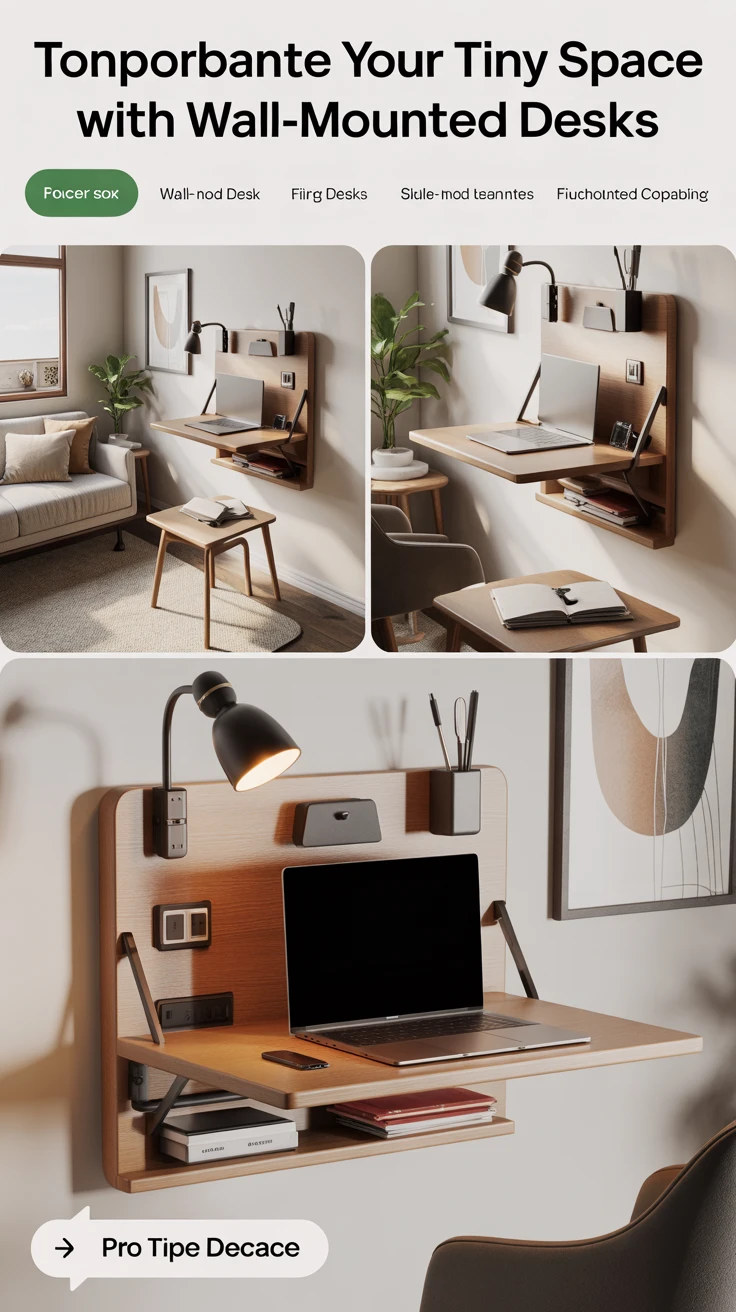
When the pandemic forced many of us to work from home, I faced the challenge of creating a functional workspace in my tiny apartment. A wall-mounted desk proved to be the perfect solution—available when needed, nearly invisible when not.
These space-saving workstations come in various styles, from minimalist floating surfaces to more elaborate fold-down desks with built-in storage. Mine features a fold-down surface with a small compartment for storing my laptop and office supplies, effectively disappearing when I’m off the clock.
- Features to look for:
- Built-in cable management systems
- Integrated storage compartments
- Fold-down capability for temporary use
- Adequate depth for comfortable typing (at least 18 inches)

View on AmazonAs an Amazon Associate, I earn from qualifying purchases.

View on AmazonAs an Amazon Associate, I earn from qualifying purchases.
Pro Tip: Mount your desk near an outlet or invest in a good-quality extension cord with surge protection. I initially installed mine in the perfect spot aesthetically, only to realize I had no power source nearby for my laptop!
6. Hanging Planters: Add Greenery Without Losing Space
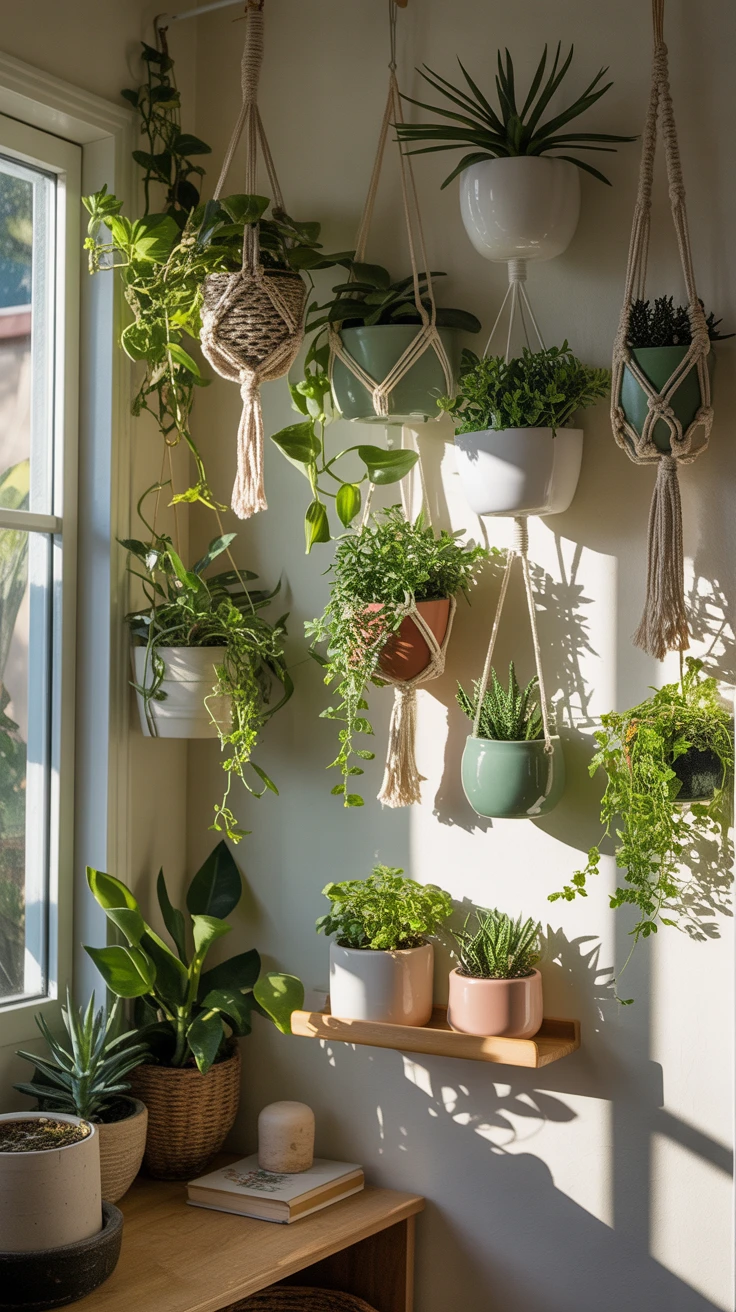
Plants bring life and improved air quality to small spaces, but pots can consume precious surface area. Hanging planters allowed me to indulge my plant parent tendencies without sacrificing usable space.
From macramé hangers to sleek ceramic wall planters, the options for vertical greenery are endless. I’ve created a cascading display in my living room corner and added herb planters to my kitchen wall, bringing nature indoors without cluttering surfaces.
My initial attempts at hanging planters taught me some hard lessons about weight and water drainage. Now I ensure proper anchoring and consider how to manage watering without damaging walls or floors beneath.
Pro Tip: Use lightweight pots or plastic liners inside decorative containers to reduce the overall weight your wall hooks need to support. After one unfortunate incident with a heavy ceramic pot, I now prioritize safety over aesthetics.
7. Magnetic Knife Strips: Keep Your Kitchen Clutter-Free
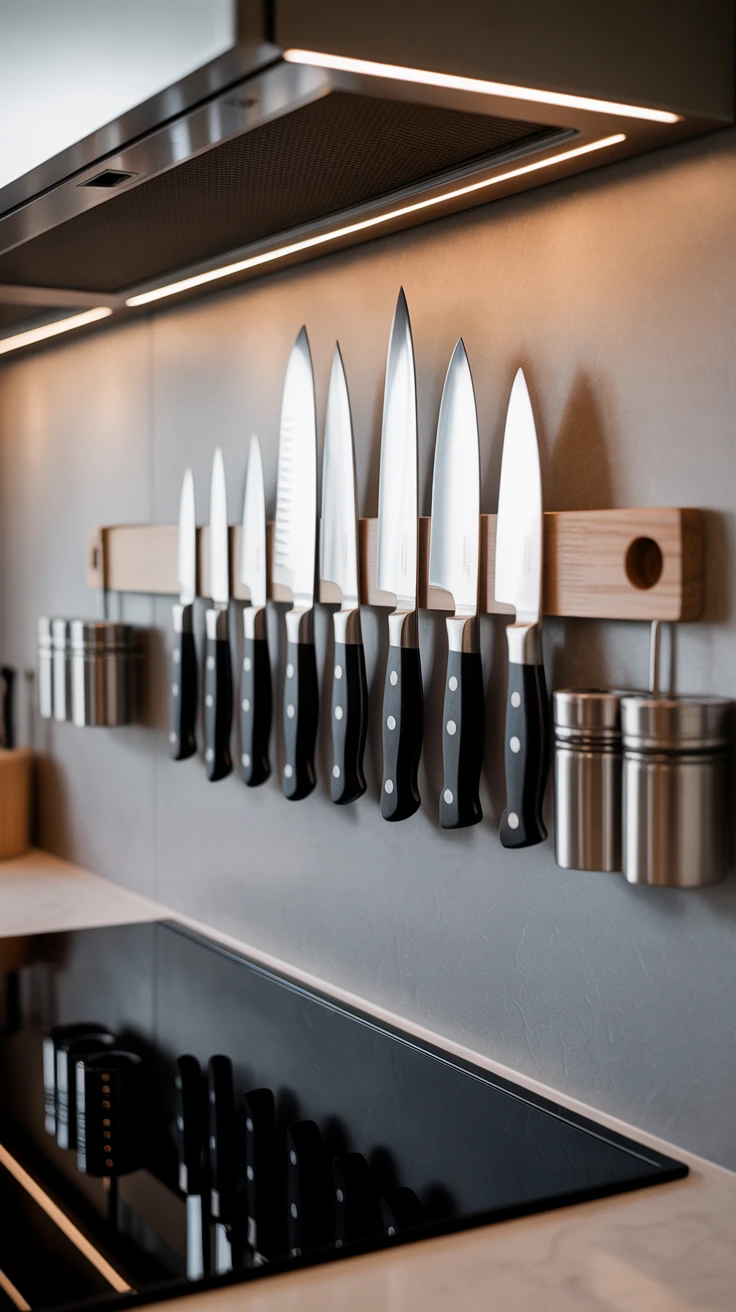
In a tiny kitchen, counter space is gold. Traditional knife blocks consumed too much of this valuable real estate in my compact cooking area, leading me to discover magnetic knife strips.
These simple yet effective tools keep knives accessible while showcasing their design. Beyond knives, I’ve found these magnetic strips useful for holding metal spice containers, small tools, and even bobby pins in the bathroom.
Installation is straightforward, requiring just a few screws, but placement is crucial. I positioned mine above my prep area but away from the stove for safety and convenience. The visual effect is surprisingly appealing—my knife collection has become a functional design element in my kitchen.
8. Foldable Wall Tables: Flexibility for Dining and More
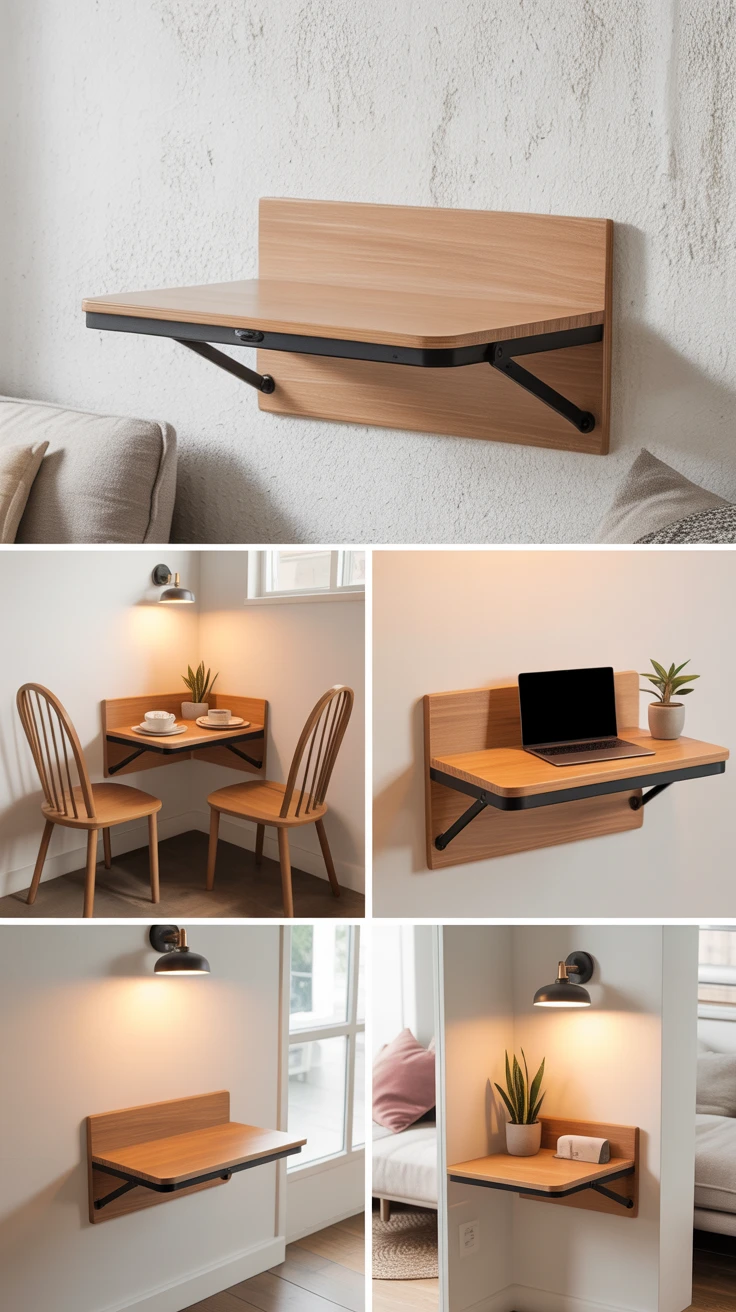
Entertaining in a tiny home presented a particular challenge until I installed a foldable wall table. This ingenious solution provides a dining surface when needed but disappears when not in use.
My wall-mounted table serves multiple purposes throughout the day—breakfast nook in the morning, workspace in the afternoon, and dining table for evening gatherings. When folded away, it protrudes just inches from the wall, returning valuable floor space to my living area.
I was surprised by how sturdy these tables can be when properly installed. Mine comfortably seats two people and has held up to everything from dinner parties to craft projects. The key is securing it to wall studs rather than relying solely on drywall anchors—a lesson I learned after an early prototype wobbled alarmingly.
- Adjustable louvered roof lets you control sun, shade, and airflow.
- Built-in gutter system keeps the area dry during rain.
- Durable powder-coated aluminum frame resists rust and weather.
- Includes waterproof curtains and mosquito netting for privacy and protection.
- Smooth contours and seamless design
- Up to 325 square feet of shaded paradise
- Features 4.53×4.53 inch reinforced columns
- Say goodbye to water buildup woes! Our innovative drainage system of this hardtop pergola discreetly whisks away excess water
9. Corner Shelving Units: Utilize Every Inch of Your Home
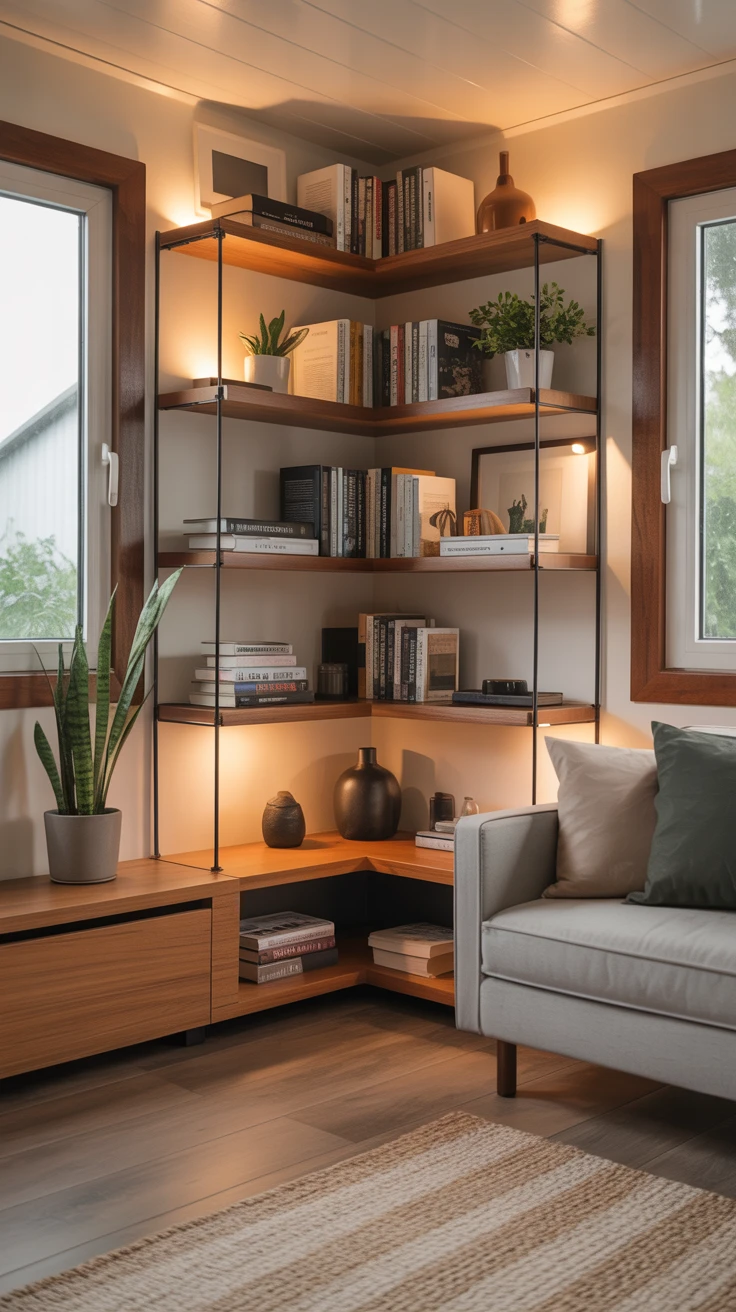
Corners are often overlooked in storage planning, but these spaces offer valuable vertical real estate in tiny homes. Corner shelving units take advantage of these underutilized areas, providing storage without protruding too far into the room.
I’ve installed corner shelves in my bathroom to hold toiletries, in my bedroom for books and alarm clocks, and in my living area for decorative items. These triangular or quarter-circle shelves fit snugly into corners, creating storage where none existed before.
The installation can be trickier than standard shelving, as corners rarely have studs positioned exactly where you need them. I’ve found that quality drywall anchors rated for the appropriate weight have worked well in most applications.
Pro Tip: Use a cardboard template to test the size and depth of corner shelves before purchasing or building them. I once bought shelves that were too deep for my narrow bathroom corner, creating an awkward protrusion rather than the sleek solution I’d envisioned.
Maximize Your Tiny Home’s Potential
After implementing these nine wall mounted storage solutions in my own tiny home, I’ve reclaimed valuable floor space while keeping essentials organized and accessible. The walls have become functional elements of my living space rather than just boundaries.
The beauty of these solutions lies in their adaptability—mix and match according to your specific needs and aesthetic preferences. Start with one area that causes the most frustration and gradually expand your vertical storage strategy throughout your home.
Remember that in tiny home living, every inch counts. By thinking vertically and embracing these wall-mounted options, you can create a space that feels open, organized, and distinctly yours—regardless of its square footage.
Which of these solutions will you try first? Your walls are waiting to work harder for you!
